12 Evidences for the Resurrection of Jesus, Part 4

Some people have had dramatic religious conversions. In fact, my three favorite Christian thinkers outside of the biblical authors—St. Augustine, Blaise Pascal, and C. S. Lewis—all experienced amazing life-changing conversions to Christianity. But there is one person whose conversion to the Christian faith changed the world forever. That individual said that his spiritual transformation was due to encountering the resurrected Jesus Christ.

So far in this series on evidences for the resurrection we have examined four confirmatory aspects to buttress the truth of Jesus Christ’s bodily resurrection (see part 1, part 2, and part 3). In this article we’ll briefly explore how Christianity’s greatest convert adds one more powerful reason to affirm the resurrection.

5. The Greatest Religious Conversion Ever
Saul of Tarsus was a respected, first-century Hebrew scholar of the Torah (the Law), a member of the Jewish party of the Pharisees, and a Roman citizen (Acts 21:37–22:3). Fervent in his devotion to God and in his intent to protect ancient Judaism from what he perceived as false and heretical teaching, he became the central adversary of the primitive Christian church. Saul expressed his impassioned hostility toward Christians by having them arrested and inciting physical persecution and execution of believers, including Stephen (Acts 7:54–8:3; Galatians 1:13–14). Traveling on the road to Damascus to further persecute the church (ca. AD 31–33), Saul underwent an extraordinary life-changing experience. According to his claim, Saul saw and spoke with the resurrected Jesus (Acts 9:1–30; 22:5–13). Following his dramatic conversion to the movement he once hated, he took on the Gentile name “Paul” and became the greatest advocate of the newfound Christian faith. After Jesus Christ himself, many scholars view the apostle Paul as the second most important figure in the history of Christianity. Paul went on to become the faith’s greatest missionary, theologian, and apologist as well as the inspired author of 13 New Testament books.

What caused Paul’s conversion—arguably the greatest religious conversion ever? To understand the true impact of this conversion, let’s consider what may be the modern equivalent of Paul’s first-century conversion to Christianity. Imagine the British prime minister and statesman Winston Churchill becoming a member of the Nazi party. Or American president Ronald Reagan embracing Soviet communism. Or German Führer Adolf Hitler converting to the religion of Judaism. Whatever equivalent one rightly accepts, Paul’s conversion to Christianity was an absolutely astounding event.

But how is this extraordinary change of allegiance to be explained? According to Paul himself, the incredible transformation of one of Western civilization’s most influential religious leaders and thinkers was due to the appearance of the resurrected Christ. The conversion of the apostle Paul, not to mention his life and accomplishments, seems truly inexplicable apart from the fact of the resurrection.

It seems the only thing that could have possibly changed Saul’s incredibly negative opinion about primitive Christianity was for him to encounter its leader, Jesus of Nazareth, raised from the dead.

Reflections: Your Turn

Have you ever known someone who has had a genuinely dramatic conversion to Christianity? What struck you about it? Visit Reflections on WordPress to comment with your response.

Resources

Subjects: Jesus Christ, Resurrection

Posted in Uncategorized | Leave a comment

12 Evidences for the Resurrection of Jesus, Part 3

Today’s skeptics of Jesus’s resurrection sometimes state that religious people are too quick to accept reports about miracles. Those who doubt the miraculous often insist that miracle claims aren’t usually sufficiently questioned. But was this the case among Jesus’s apostles concerning the resurrection?

In part 1 and part 2 of this series, I briefly addressed three evidences for Jesus’s resurrection. In this article I’ll present one more reason in our series of 12 evidences for believing in the truth of the bodily resurrection of Jesus.

4. Extraordinary Transformation of the Apostles

The New Testament describes a remarkable and enduring transformation of 11 of Jesus’s disciples. These frightened, defeated cowards after Jesus’s crucifixion soon became bold preachers and, in some cases, martyrs. They grew courageous enough to stand against hostile Jews and Romans even in the face of torture and martyrdom. Such amazing transformation deserves an adequate explanation, for human character and conduct does not change easily or often. Because the apostles fled and denied knowing Jesus after he was arrested, their courage in the face of persecution seems even more astonishing. The disciples attributed the strength of their newfound character to their direct, personal encounter with the resurrected Jesus. In Jesus Christ’s resurrection, the apostles found their existential reason to live—and die.

According to the earliest reports concerning Jesus’s resurrection, three of the men Jesus appeared to were either initially highly skeptical of the truth of the resurrection or adamantly opposed to Jesus’s claims to be the messiah. Those three were Thomas, James, and Saul (who would become Paul), all of whom were predisposed to dismiss the truth of the resurrection. Since Paul’s conversion will be addressed later, let’s consider the stunning impact Jesus’s resurrection had on Thomas and James.

Thomas the Doubter

While Thomas was one of the original 12 apostles, he was not among the first of Jesus’s followers to see the risen Christ. Upon hearing the report from his fellow disciples concerning Jesus’s bodily resurrection, he doubted its truth. The Gospel of John conveys Thomas’s skepticism: “Unless I see the nail marks in his hands and put my finger where the nails were, and put my hand into his side, I will not believe” (John 20:25).

Though a follower of Jesus, Thomas was highly skeptical and needed direct, empirical evidence of Jesus’s actual bodily resurrection before he would believe the claim of his fellow disciples. Thomas demanded evidence of a concrete, empirical nature. He demonstrated tough-mindedness when it came to claims of the miraculous, even when the testimony came from his close friends and associates. Yet according to John’s Gospel, Thomas soon had an encounter with the resurrected Jesus that more than satisfied his doubts:

A week later his disciples were in the house again, and Thomas was with them. Though the doors were locked, Jesus came and stood among them and said, “Peace be with you!” Then he said to Thomas, “Put your finger here; see my hands. Reach out your hand and put it into my side. Stop doubting and believe.” Thomas said to him, “My Lord and my God!” (John 20:26–28)

If the resurrection was merely a concocted mythical story, it is highly unlikely that it would include the claim that one of the original 12 disciples seriously questioned Jesus’s resurrection.
James the Family Skeptic
The Gospels convey that prior to the resurrection, Jesus’s brothers were highly dismissive of his messianic claims (see Mark 6:3–4 and John 7:5). In fact, Jesus’s family viewed him as suffering from mental delusion (Mark 3:21, 31–35). Yet the early creed that Paul had been given by the apostles (which included James) reported that Jesus had appeared to his brother James (1 Corinthians 15:7). James then became one of the critical leaders of the early Christian church, even holding unique authority at the Jerusalem Council (Acts 15:12–21). Sources in church history convey that James was later martyred for his belief in Jesus Christ.

What accounts for James’s amazing change of heart from undoubtedly being deeply embarrassed by his brother’s claims to becoming a distinguished leader in the early church, and finally to even undergo martyrdom? The resurrection seems to best account for this radical transformation in James’s understanding and perspective. James claimed to have seen his brother alive after his public execution, and that event changed everything.

So it appears that Thomas and James seriously questioned the actual truth of Jesus’s resurrection, the way skeptics demand.

Reflections: Your Turn

Of Thomas and James, whose transformation seems more remarkable? Why? Visit Reflections on WordPress to comment with your response.

Resources

Subjects: Bible, Faith, Faith & Reason, Jesus, Jesus Christ, Resurrection

Posted in Uncategorized | Leave a comment

12 Evidences for the Resurrection of Jesus, Part 2

Christian apologist Walter Martin used to say that the real death rate is one per person, meaning that each person’s death is a matter of when, not if. Therefore, because we are mortal creatures and thus stalked by death, if Jesus Christ actually conquered death through his resurrection, then this is the most important news for all human beings to hear and to reflectively consider. The inevitability of death should motivate Christians to share the message of the resurrection.

In part 1 of this series, I briefly addressed two evidences for Jesus’s resurrection. In this article I’ll present one more reason in our series of 12 evidences for believing that Jesus Christ’s bodily resurrection from the dead actually happened.

3. Short Time Frame between Actual Events and Eyewitness Claims

Support for the factual nature of Jesus’s resurrection from the dead comes from eyewitness testimonies that were reported soon after the events happened. The apostle Paul claims both that he saw the resurrected Christ (Acts 9:1–1922:6–1626:12–23) and that others witnessed the resurrection (1 Corinthians 15:3) prior to his personal encounter. Paul asserts in his writings that he received the firsthand testimony from Jesus’s original apostles who were witnesses of Jesus’s resurrection even before him.

In Paul’s first letter to the Corinthians, he employs a creedal statement1 about the resurrection that dates to the earliest period of Christianity. This creed is believed even by critical scholars (those who doubt the supernatural) to be part of the original Christian kerygma (“proclamation”—representing the earliest preaching and teaching message of Christianity). This early statement of faith that Paul relays mentions by name two of Jesus’s apostles who said they had seen the resurrected Christ. These two apostles are Peter (one of the original 12 apostles and principal spokesperson of primitive Christianity) and James (the brother of Jesus who was also an early apostolic leader).

Here is that early creedal statement as the apostle Paul weaved it into his first Corinthian epistle:

For what I received I passed on to you as of first importance: that Christ died for our sins according to the Scriptures, that he was buried, that he was raised on the third day according to the Scriptures, and that he appeared to Cephas [Peter], and then to the Twelve. After that, he appeared to more than five hundred of the brothers and sisters at the same time, most of whom are still living, though some have fallen asleep. Then he appeared to James, then to all the apostles.

– 1 Corinthians 15:3–7

Paul’s statement gives us a fourfold formula of the primitive Christian proclamation as it relates to Jesus’s death and resurrection:

1. Christ died.
2. He was buried.
3. He was raised.
4. He appeared.

This time frame evidenced in the early creed places the original proclamation by the first apostles about Jesus’s resurrection very near to the time of Jesus’s death and resurrection. This development has led even critical New Testament scholars to be amazed at the early and reliable testimony evident in Paul’s writings. In fact, distinguished New Testament scholar James D. G. Dunn states, “This tradition [of Jesus’s resurrection and appearances], we can be entirely confident, was formulated as tradition within months of Jesus’s death.”2

Therefore, given the short interval of time between the early eyewitness testimonies about Jesus’s resurrection and the actual event itself (a mere matter of months), these accounts must be considered historically credible. There was clearly no time for myth, legend, or embellishment to accrue around the initial resurrection reports.

Watch for the next article in this series as we continue briefly considering 12 evidences for the resurrection of Jesus Christ.

Reflections: Your Turn

Since death is one of the big questions of life, doesn’t that make the message of Jesus’s resurrection a topic relevant to all people? Is this a probative philosophical way of approaching evangelism? Visit Reflections on WordPress to comment with your response.

Resources

Endnotes

        1. For more about these primitive Jewish-Christian creeds, see Ralph P. Martin, New Testament Foundations: A Guide for Christian Students, vol. 2 (Eugene, OR: Wipf & Stock, 1999), 268.
        2. James D. G. Dunn, Jesus Remembered: Christianity in the Making, vol. 1 (Grand Rapids: Eerdmans, 2003), 855.

        Subjects: Bible, Faith, Faith & Reason, Jesus, Jesus Christ, Resurrection

        Posted in Uncategorized | Leave a comment

        Fearfully and Wonderfully Made

        Have you ever wondered if human cloning might be a real possibility? And if so, how close might we be to seeing mini-me’s walking about? I think about this periodically. And I have to admit, I’ve met very few people who I think would be clone-worthy. I’m certainly not one of them!

        Even though almost all of my cells contain the genetic blueprints to make a replica of baby AJ, it’s not enough to just replace the DNA in a fertilized egg with my adult DNA. One of the major hurdles in producing human clones, if it’s possible, is the reprogramming of the human genome that’s necessary to erasing most modifications that have been made in order to sequester or expose segments of DNA, thereby silencing or turning on different genes during the development and differentiation of various cells for different tissues.

        These accrued modifications are epigenetic changes, meaning they’re not changes to my primary DNA sequences. Epigenetic changes are dynamic and reversible and involve chemical modifications to DNA and to proteins bound to the DNA (histones) that affect its structure and accessibility. These changes affect how my DNA is read or expressed in different cells and which RNAs (both coding and noncoding) and proteins are made. And that, of course, affects how different cells differentiate and function.

        DNA chains are double-stranded, antiparallel, complementary strings of nucleotides, abbreviated A, C, G, and T. The ordered sequence of nucleotides specifies genes, regulatory sequences, and other elements necessary for coordinated development and differentiation of cells and organisms. A frequent epigenetic modification of DNA nucleotides involves the addition of a methyl group (-CH3) to cytosine bases (Cs). Methylation tends to silence DNA, which means the sequence cannot be read (or transcribed) by polymerase complexes.

        The recent identification of enzymes that make similar modifications to adenine bases (As) in messenger RNAs and in DNA is adding layers of complexity to the array of epigenetic signals that control development, differentiation, and adaptive changes of highly complex and dynamic cellular systems.1 As we discover more epigenetic marks and learn more about how various epigenetic changes affect our transcriptomes, we are realizing that the level of complexity is staggering.

        Epigenetics and Embryogenesis

        The complexity at a cellular level in embryogenesis (formation and development of an embryo) and human development is mind-boggling. So much can go wrong even in the transition from insemination to the earliest multicellular blastula stage that it is no exaggeration to think of each pregnancy, let alone a successful birth, as truly miraculous. In fact, transitioning through the steps from insemination to birth is a string of wondrous events, only a few of which are well-characterized molecularly. The overwhelming majority of triggers and signals and coordinating factors that alter epigenetic modifications—erasing some, preserving others, timing and coordinating thousands upon thousands of such events during embryogenesis—are yet to be teased out.

        During fertilization, the mother and father each provide one set of human chromosomes for the miracle-to-be offspring (baby). Each set of chromosomes comes from a fully differentiated cell—one an egg, the other a sperm. The genetic material in each cell was programmed, through epigenetic modifications, to be an egg or a sperm. But when the two come together in fertilization, they produce a zygote—the first stage of embryogenesis. The zygote’s DNA must be reprogrammed to a totipotent state—one where all potential outcomes are possible—in order to eventually produce roughly 200 hundred different cell types, through countless cell divisions, en route to becoming a fully developed human being. Reprogramming to totipotency may occur in a single cell cycle from oocyte to zygote. However, additional demethylation and further epigenetic reprogramming may occur in the early blastocyst stage.2

        During zygote formation, the egg and sperm are providing not just chromosomes but additional cellular components. No doubt the oocyte (egg) provides the bulk of these as it provides thousands of other RNAs, biomolecules, and nanomachines, in addition to a set of chromosomes. Therefore, many epigenetic modifications passed on to offspring are most likely passed on from the mother. However, scientists know that the father too can pass on epigenetic modifications. Both maternal and paternal DNA are highly methylated (hypermethylated), reflecting the number of genes and regulatory signals that needed to be silenced in terminal differentiation of the gametes (eggs and sperm). Whether maternal or paternal, most epigenetic modifications need to be reset or erased for the embryo to develop properly.

        Demethylation (removing the modifications) is absolutely essential for zygotic reprogramming. De novo demethylation occurs in the paternal genome shortly after fertilization. Passive demethylation also occurs as DNA is replicated and cells undergo subsequent divisions. Maternal demethylation occurs after paternal demethylation and by varying mechanisms. Removing epigenetic modifications during de novo demethylation actually damages the DNA when modified bases are cut out.

        The mechanisms by which zygotic reprogramming occur are poorly understood, but a recent article in the journal Cell sheds some light on how DNA is repaired after the removal of some modifications.3 Although the triggers for demethylation of the paternal genome are not understood, it appears as though an enzyme responsible for base modification (Tet3) and other proteins involved in DNA repair are provided by the oocyte. The researchers show that the reprogramming of paternal DNA occurs at different times and through shared and unique pathways in comparison to the reprogramming of maternal DNA. Numerous factors, including two different repair pathways (involving base excision repair machinery and cohesin), provide critical functions necessary to restoring and protecting the integrity of reprogrammed DNA. Remarkably, checkpoints exist within the cellular milieu that prevent zygotes from undergoing cell division if the DNA is not properly repaired during reprogramming.

        Another recent review article in Reproduction highlights roles for additional oocyte factors in paternal DNA reprogramming.4 The extreme compaction of the transcriptionally silent (quiescent) paternal genome in the sperm involves strong binding to protamines and formation of disulfide bridges within the paternal DNA. This helps sperm motility and provides protection for the paternal genome. But the paternal genome must undergo biochemical remodeling and decondensation through the replacement of protamines with new histones once fertilization takes place. The oocyte provides the endogenous resources needed to accomplish these tasks, too. Sperm also carry and deliver small regulatory RNAs essential for early (preimplantation) embryogenesis.

        Fearfully and Wonderfully Complex

        As I read through these articles, I began to marvel at how complex the early stages of human development are. I wonder if we will discover that the human being is more finely tuned for life at a molecular level than the universe and Earth are for supporting life. As I read about the DNA repair mechanisms replacing excised bases with unmodified bases coupled with checkpoints, I couldn’t help but think of the scripture in Psalm 139 where David refers to being knit together in his mother’s womb. The checkpoints ensure that persistent DNA lesions (where bases have been cut out) aren’t like dropped stitches, ultimately ruining the final masterpiece. Scientists are just beginning to understand some factors in an amazingly complex and extensive reprogramming of paternal genomes to produce a zygote that is ready to grow and develop. Demethylation of the maternal genome occurs later but is just as critical for embryogenesis. It too uses de novo and passive mechanisms to reprogram epigenetic changes.

        How long will it take us to unravel the mysteries of human development, and when will we cross the threshold to the revelation that we are indeed fearfully and wonderfully made! Some of us have been hurled over the threshold already. Others will follow. But will we ever be able to clone a human being? Certainly not before we master the intricacies and complexities of zygotic reprogramming.

        Making a Mini-Me?

        Even if we were able to take my adult DNA and reprogram it back to a developmentally naive state that would allow successful transition through embryogenesis again, all (or the vast majority) of the controlling and contributing epigenetic factors would be different. If a human life were to come from such an endeavor, she too would be fearfully and wonderfully made, having been knit together in her mother’s womb. But she would be more unlike me than I would have been from an identical twin, had my mother birthed twins.

        We are each fearfully and wonderfully made and uniquely different, each made in the image of God, and each God-breathed, living and moving and being in the One who creates and sustains all things. Everywhere we look—to the stars overhead or to the overwhelming complexity of a single cell or into the orchestrated flurries of cellular activities of embryogenesis—since the beginning of creation and now in the modern molecular biological era, it is evident from all that we see that God exists and is all-powerful, so wise, truly good, utterly magnificent, and worthy of praise. And our souls know it full well.

        Resources

        Endnotes

        1. Yanan Yue, Jianzhao Liu, and Chuan He, “RNA N6-methyladenosine Methylation in Post-transcriptional Gene Expression Regulation,” Genes & Development 29 (July 2015): 1343–55, doi:10.1101/gad.262766.115; Gerd P. Pfeifer, “Epigenetics: An Elusive DNA Base in Mammals,” Nature 532 (April 2016): 319–20, doi:10.1038/nature17315.
        2. Daniel Messerschmidt, Barbara Knowles, and Davor Solter, “DNA Methylation Dynamics during Epigenetic Reprogramming in the Germline and Preimplantation Embryos,” Genes & Development 28 (April 2014): 812–28, doi:10.1101/gad.234294.113.
        3. Sabrina Ladstätter and Kikuë Tachibana-Konwalski, “A Surveillance Mechanism Ensures Repair of DNA Lesions during Zygotic Reprogramming,” Cell 167 (December 2016): 1774–87, doi:10.1016/j.cell.2016.11.009.
        4. Rupsha Fraser and Chih-Jen Lin, “Epigenetic Reprogramming of the Zygote in Mice and Men: On Your Marks, Get Set, Go!,” Reproduction 152 (December 2016): R211–R222, doi:10.1530/REP-16-0376.

        Subjects: Design, Fine-Tuning, Genetic Variation, Human Uniqueness, Life

        Posted in Uncategorized | Leave a comment

        Take Up and Read: Saved by Grace

        BY KENNETH R. SAMPLES – NOVEMBER 14, 2017

        This current blog series on Reflections is intended to encourage Christians to read more vigorously by providing a beginner’s guide to some of the Christian classics in such fields as theology, philosophy, and apologetics. Hopefully a very brief introduction to these important Christian texts will motivate today’s believers, as St. Augustine was called to in his dramatic conversion to Christianity, to “take up and read” (Latin: Tolle lege) these classic books.

        blog__inline--take-up-and-read-saved-by-graceThis week’s book, Saved by Grace, is by Christian theologian Anthony Hoekema (pronounced “who-kema”) and presents the biblical and theological case for salvation being an exclusive gift of God. This is a modern classic in the field of soteriology (the study of salvation) and is written from a distinctly Reformed theological perspective.

        Why Is This Author Notable?

        Anthony Hoekema (1913–1988) was born in the Netherlands and immigrated to America as a young boy. He was educated at Calvin and Princeton Theological Seminaries. He served as a Reformed pastor, theologian, and apologist. He worked as professor of systematic theology at Calvin Theological Seminary for 21 years.

        What Is This Book About?

        Hoekema’s Saved by Grace presents, explains, and defends a biblical and theological case for salvation being by God’s grace alone apart from human merit. Divided into 13 chapters, this book presents a Protestant, evangelical view of all aspects of salvation, including the specific doctrines of regeneration, conversion, repentance, faith, justification, sanctification, and perseverance.

        Hoekema makes a biblical, exegetical case for salvation being a divine gift. Thus all of the key Scriptural passages addressing salvation are examined in some depth. In a clear and careful manner, Hoekema examines what Scripture teaches on the all-important doctrine of salvation.

        While most conservative Protestants will agree with the bulk of what Hoekema writes about soteriology, the book is clearly written from a distinctly Reformed theological perspective. So some evangelicals will no doubt strongly disagree with some of Hoekema’s theological conclusions. Yet if you are only going to read one book about Reformed theology (popularly called Calvinism), then this is the book I recommend you read. Hoekema does a fine job of explaining what makes Reformed soteriology distinct, especially for people who are not Reformed or who have objections to this controversial theological tradition.

        Hoekema reflects on the solid biblical basis of salvation by grace:

        “One of the central teachings of the Bible, sounded repeatedly, like the major theme of a symphony, is that we are saved wholly by grace, through the powerful working of God’s Holy Spirit, on the basis of the all-sufficient work of our Savior, Jesus Christ.”1

        Why Is This Book Worth Reading?

        The book Saved by Grace is extremely valuable for a number of reasons. First, it is written by a skilled theologian who is competent both as a biblical exegete and as a systematic theologian. Second, the work presents a solid Protestant case for salvation being a gift of God’s grace vis-à-vis the Roman Catholic view on grace. Third, the book defends a Reformed theological perspective on salvation but interacts fairly and respectively with the Arminian-Wesleyan viewpoint.

        All Christians, whatever their denominational connections, can benefit from reading Hoekema’s powerful case for God’s wonderful saving grace in Jesus Christ.

        Endnotes
        1. Anthony Hoekema, Saved by Grace, 6th ed. (Grand Rapids: Eerdmans, 1994), xi.

        About Reasons to Believe

        RTB’s mission is to spread the Christian Gospel by demonstrating that sound reason and scientific research—including the very latest discoveries—consistently support, rather than erode, confidence in the truth of the Bible and faith in the personal, transcendent God revealed in both Scripture and nature. Learn More »

        Support Reasons to Believe

        Your support helps more people find Christ through sharing how the latest scientific discoveries affirm our faith in the God of the Bible.

        DONATE NOW


        U.S. Mailing Address
        818 S. Oak Park Rd.
        Covina, CA 91724
        • P (855) 732-7667
        • P (626) 335-1480
        • Fax (626) 852-0178

        Reasons to Believe logo

        Posted in Uncategorized | Leave a comment

        Can Dinosaurs Be Resurrected from Extinction?

        BY FAZALE RANA – SEPTEMBER 25, 2019

        If you could visit a theme park that offered you a chance to view and even interact with real-life dinosaurs, would you go? I think I might. Who wants to swim with dolphins when you can hang out with dinosaurs? Maybe even ride one?

        Well, if legendary paleontologist Jack Horner has his way, we just might get our wish—and, it could be much sooner than any of us realize. Horner is a champion of the scientific proposal to resurrect dinosaurs from extinction. And it looks like this idea might have a real chance at success.

        Horner’s not taking the “Jurassic Park/World” approach of trying to clone dinosaurs from ancient DNA (which won’t work for myriad technical reasons). He wants to transform birds into dinosaur-like creatures by experimentally manipulating their developmental processes in a laboratory setting.

        The Evolutionary Connection between Birds and Dinosaurs

        The basis for Horner’s idea rises out of the evolutionary paradigm. Most paleontologists think that birds and dinosaurs share an evolutionary history. These scientists argue that shared anatomical features (a key phrase we’ll return to) between birds and certain dinosaur taxa demonstrate their evolutionary connection. Currently, paleontologists place dinosaurs into two major groups: avian and nonavian dinosaurs. Accordingly, paleontologists think that birds are the evolutionary descendants of dinosaurs.

        So, if Horner and others are successful, what does this mean for creation? For evolution?

        Reverse Evolution

        In effect, Horner and other interested scientists seek to reverse what they view as the evolutionary process, converting birds into an evolutionarily ancestral state. Dubbed reverse evolution, this approach will likely become an important facet of paleontology in the future. Evolutionary biologists believe that they can gain understanding of how biological transformations took place during life’s history by experimentally reverting organisms to their ancestral state. Reverse evolution experiments fuse insights from paleontology with those from developmental biology, molecular biology, comparative embryology, and genomics. Many life scientists are excited, because, for the first time, researchers can address questions in evolutionary biology using an experimental strategy.

        Proof-of-Principle Studies

        The first bird that researchers hope to reverse-evolve into a dinosaur-like creature is the chicken (Gallus gallus). This makes sense. We know a whole lot about chicken biology, and life scientists can leverage this understanding to precisely manipulate the embryonic progression of chicks so that they develop into dinosaur-like creatures.

        As I described previously (see Resources for Further Exploration), in 2015 researchers from Harvard and Yale Universities moved the scientific community one step closer to creating a “chickenosaurus” by manipulating chickens in ovo to develop snout-like structures, instead of beaks, just like dinosaurs.1

        Now, two additional proof-of-principle studies demonstrate the feasibility of creating a chickenosaurus. Both studies were carried out by a research team from the Universidad de Chile.

        In one study, the research team coaxed chicken embryos to develop a dinosaur-like foot structure, instead of the foot structure characteristic of birds.2 A bird’s foot has a perching digit that points in the backward direction, in opposition to the other toes. The perching digit allows birds to grasp. In contrast, the corresponding toe in dinosaurs is nonopposable, pointing forward.

        blog__inline--can-dinosaurs-be-resurrected-from-extinction-1

        Figure 1: Dinosaur Foot Structure. Image credit: Shutterstock

        blog__inline--can-dinosaurs-be-resurrected-from-extinction-2

        Figure 2: Bird Foot Structure. Image credit: Shutterstock

        The researchers took advantage of the fact that vertebrate skeletons are plastic, meaning that their structure can be altered by muscle activity. These types of skeletal alterations most commonly occur during embryonic and juvenile stages of growth and development.

        Investigators discovered that muscle activity causes the perching toe of birds to reorient during embryonic development from originally pointing forward to adopting an opposable orientation. Specifically, the activity of three muscles (flexor hallucis longus, flexor hallucis brevis, and musculus extensor hallucis longus) creates torsion that twists the first metatarsal, forcing the perching digit into the opposable position.

        The team demonstrated that by injecting the compound decamethonium bromide into a small opening in the eggshell just before the torsional twisting of the first metatarsal takes place, they could prevent this foot bone from twisting. The compound causes muscle paralysis, which limits the activity of the muscles that cause the torsional stress on the first metatarsal. The net result: the chick developed a dinosaur-like foot structure.

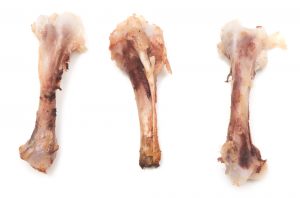
        In a second study, this same research team was able to manipulate embryonic development of chicken embryos to form a dinosaur-like leg structure.The lower legs of vertebrates consist of two bones: the tibia and the fibula. In most vertebrates, the fibula is shaped like a tube, extending all the way to the ankle. In birds, the fibula is shorter than the tibia and has a spine-like morphology (think chicken drumsticks).

        blog__inline--can-dinosaurs-be-resurrected-from-extinction-3

        Figure 3: The Lower Leg of a Chicken. Image credit: Shutterstock

        Universidad de Chile researchers discovered that the gene encoding the Indian Hedgehog protein becomes active at the distal end of the fibula during embryonic development of the lower leg in chicks, causing the growth of the fibula to cease. They also learned that the event triggering the increased activity of the Indian Hedgehog gene likely relates to the depletion of the Parathyroid Hormone-Related Protein near the distal end of the fibula. This protein plays a role in stimulating bone growth.

        The researchers leveraged this insight to experimentally create a chick with dinosaur-like lower legs. Specifically, they injected the amniotic region of the chicken embryo with cyclopamine. This compound inhibits the activity of Indian Hedgehog. They discovered that this injection altered fibula development so that it was the same length as the tibia, contacting the ankle, just like in dinosaurs.

        These two recent experiments on foot structure along with the previous one on snout structure represent science at its best. While the experiments reside at the proof-of-principle stage, they still give scientists like Jack Horner reason to think that we just might be able to resurrect dinosaurs from extinction one day. These experiments also raise scientific and theological questions.

        Do Studies in Reverse Evolution Support the Evolutionary Paradigm?

        On the surface, these studies seemingly make an open-and-shut case for the evolutionary origin of birds. It is impressive that researchers can rewind the tape of life and convert chickens into dinosaur-like creatures.

        But deeper reflection points in a different direction.

        All three studies highlight the amount of knowledge and insight about the developmental process required to carry out the reverse evolution experiments. The ingenious strategy the researchers employed to alter the developmental trajectory is equally impressive. They had to precisely time the addition of chemical agents at the just-right levels in order to influence muscle activity in the embryo’s foot or gene activity in the chick’s developing lower legs. Recognizing the knowledge, ingenuity, and skill required to alter embryological development in a coherent way that results in a new type of creature forces the question: Is it really reasonable to think that unguided, historically contingent processes could carry out such transformations when small changes in development can have profound effects on an organism’s anatomy?

        It seems that the best the evolutionary process could achieve would be the generation of “monsters” with little hope of survival. Why? Because evolutionary mechanisms can only change gene expression patterns in a random, haphazard manner. I would contend that the coherent, precisely coordinated genetic changes needed to generate one biological system from another signals a Creator’s handiwork, not undirected evolutionary mechanisms, as the explanation for life’s history.

        Can a Creation Model Approach Explain the Embryological Similarities?

        Though the work in reverse evolution seems to fit seamlessly within an evolutionary framework, observations from these studies can be explained from a creation model perspective.

        Key to this explanation is the work of Sir Richard Owen, a preeminent biologist who preceded Charles Darwin. In contemporary biology, scientists view shared features possessed by related organisms as evidence of common ancestry. Birds and theropod dinosaurs would be a case in point. But for Owen, shared anatomical features reflected an archetypal design that originated in the Mind of the First Cause. Toward this end, the anatomical features shared by birds and theropods can be understood as reflecting common design, not common descent.

        Though few biologists embrace Owen’s ideas today, it is important to note that his ideas were not tried and found wanting. They simply were abandoned in favor of Darwin’s theory, which many biologists preferred because it provided a mechanistic explanation for life’s history and the origin of biological systems. In fact, Darwin owes a debt of gratitude to Owen’s thinking. Darwin coopted the idea of the archetype, but then replaced the canonical blueprint that existed in the Creator’s Mind (per Owen) with a hypothetical common ancestor.

        This archetypal approach to biology can account for the results of reverse-evolution studies. Accordingly, the researchers have discovered differences in the developmental program that affect variations in the archetype, yielding differences in modern birds and long-extinct dinosaurs.

        The idea of the archetype can extend to embryonic growth and development. One could argue that the Creator appears to have developed a core (or archetypal) developmental algorithm that can be modified to yield disparate body plans. From a creation model standpoint, then, the researchers from Harvard and Yale Universities and the Universidad de Chile didn’t reverse the evolutionary process. They unwittingly reverse-engineered a dinosaur-like developmental algorithm from a bird-like developmental program.

        Why Would God Create Using the Same Design Templates?

        There may well be several reasons why a Creator would design living systems around a common set of templates. In my estimation, the most significant reason is discoverability.

        Shared anatomical and physiological features, as well as shared features of embryological development make it possible to apply what we learn by studying one organism to others. This shared developmental program makes it possible to use our understanding of embryological growth and development to reengineer a bird into a dinosaur-like creature. Discoverability makes it easier to appreciate God’s glory and grandeur, as evinced in biochemical systems by their elegance, sophistication, and ingenuity.

        Discoverability also reflects God’s providence and care for humanity. If not for the shared features, it would be nearly impossible for us to learn enough about the living realm for our benefit. Where would biomedical science be without the ability to learn fundamental aspects about our biology by studying model organisms such as chickens? And where would our efforts to re-create dinosaurs be if not for the biological designs they share with birds?

        Resources for Further Exploration

        Reverse Evolution

        Shared Biological Designs and the Creation Model

        Endnotes
        1. Bhart-Anjan S. Bhullar et al., “A Molecular Mechanism for the Origin of a Key Evolutionary Innovation, the Bird Beak and Palate, Revealed by an Integrative Approach to Major Transitions in Vertebrate History,” Evolution 69, no. 7 (2015): 1665–77, doi:10.1111/evo.12684.
        2. João Francisco Botelho et al., “Skeletal Plasticity in Response to Embryonic Muscular Activity Underlies the Development and Evolution of the Perching Digit of Birds,” Scientific Reports 5 (May 14, 2015): 9840, doi:10.1038/srep09840.
        3. João Francisco Botelho et al., “Molecular Developments of Fibular Reduction in Birds and Its Evolution from Dinosaurs,” Evolution 70, no. 3 (March, 2016): 543–54, doi:10.1111/evo.12882.

        About Reasons to Believe

        RTB’s mission is to spread the Christian Gospel by demonstrating that sound reason and scientific research—including the very latest discoveries—consistently support, rather than erode, confidence in the truth of the Bible and faith in the personal, transcendent God revealed in both Scripture and nature. Learn More »

        Support Reasons to Believe

        Your support helps more people find Christ through sharing how the latest scientific discoveries affirm our faith in the God of the Bible.

        DONATE NOW


        U.S. Mailing Address
        818 S. Oak Park Rd.
        Covina, CA 91724
        • P (855) 732-7667
        • P (626) 335-1480
        • Fax (626) 852-0178
        Posted in Uncategorized | Leave a comment

        ARE THE TOXIC WORDS SPOKEN OVER AND TO YOU, BLOCKING YOUR PERFECTLY YOU? Written by Dr Caroline Leaf

        Written by Dr Caroline Leaf

        TOXIC WORDS – A member of the DIRTY DOZEN

        Are you paying attention to what words you are saying and what words you are receiving into your spirit?

        Words reflect the thoughts and emotions of the speaker because every word was first a thought and an emotion. They are electro magnetic forces that cause real and lasting change both in the ears of the listener and you. And words really do cause pain. Researchers have shown that hurt feelings from words affect the same area in the brain – the cingulate gyrus – as a broken bone or physical injury. So the old Scottish nursery rhyme of “sticks and stones will break my bones but words will never harm me” is most certainly not true.

        Watch this 1.58min VIDEO on Toxic Words

        Experts have also found that loving words help heal and rewire this pain. Words are the symbolic output of the exceptional processes happening on micro anatomical, epigenetic and genetic levels in the brain. They contain power to make or break you, your loved ones, your colleagues and your friends.

        Are there words that have been spoken over you that have taken root and started blocking your gift? Perhaps you took an IQ test when you were younger and you were told you were average, but your brother or sister was above average. And this followed you into school and life. Or maybe you overheard someone say something about you, and you received that word into your spirit and made it part of you – the toxic words became toxic seeds.

        Maybe you have had words spoken over your life that have wired a toxic pathway that is blocking your PERFECTLY YOU from truly operating. Maybe there are words that have not been spoken over you and the lack of kind, loving, affirming words has wired rejection or pain into your thought clusters blocking your gift. That’s why we must break the gift-blocker of toxic words using the 21-DAY BRAIN DETOX

        Although we can’t be sure of the words that will be spoken over us in the future, we can choose to accept them as a part of who we are or not. We also can choose forgiveness and to walk in love, rather than fear which is the root of unforgiveness and bitterness.

        Finally, in the words we speak to others in these coming weeks, we need to be reminded of Ephesians 4:29: “Do not let any unwholesome talk come out of your mouths, but only what is helpful for building others up according to their needs, that it may benefit those who listen.” (NIV)

        NEW PRODUCT COMBO – NOW AVAILABLE!!

        21-DAY BRAIN DETOX PACKAGE

        This package includes the 21 Day Brain Detox Online program and Dr. Caroline Leaf’s Switch On Your Brain hard cover book.

        This combination offer saves you $12.00.

        You will learn how to detox your thoughts using Dr. Leaf’s practical, detailed, and easy-to-use 21-Day Brain Detox Plan. The application is for all walks of life. You won’t forgive that person, get rid of that anxiety or depression, follow that essential preventative healthcare, strive to that intellectual level you know you are capable of, follow that dream, eat that organic food, do that diet, be that great parent or husband or wife or friend, get that promotion, or make other changes to create quality, positive lifestyles—unless you first choose to get your mind right and switch on your brain. After all, the ability to think and choose and to use your mind correctly is often the hardest step, but it is the first and most powerful step.

        You will receive the 21-Day Brain Detox program as a redemption code (mailed to you along with the Switch On Your Brain book). The online program requires a valid email address, internet access, and a device with a modern web browser (such as a computer, smart phone or tablet).

        ORDER NOW

        JOIN US at the 2015 annual SWITCH ON YOUR BRAIN Conference – DALLAS TX August 21st/22nd TO DISCOVER THE PERFECT YOU

        REGISTER NOW

        Prices change from the 07/30/2015

        RESERVE your Hotel room (WESTIN – Dallas/Fort Worth Airport). There are special rates for Conference delegates and an Organic breakfast and refreshments will be provide on the Saturday.

        The hotel provides shuttle services.

        Delegates at the Conference will each receive a signed Copy of Dr Leaf’s hardcover book THE GIFT IN YOU and after completing the Gift Profile will develop an understanding in maximising their Gift as well as Practical exercises in Choosing to live out their Gift and overcome Gift Blockers.

        READ MORE about the Perfect You! Order the hardcover book or theDIGITAL DOWNLOAD to understand your Gift from God, your Perfect way of thinking.

        NOTE: This article applies to the dispensation of the SIG snakes who target private citizens in the name of human nature and Americanism. SIG organization is a criminal as defined so by the U.S. Constitution.

        Posted in Uncategorized | Leave a comment

        Skeptical Challenge: How Do We Know the Content of Jesus and Pilate’s Tête-à-Tête?

        BY KENNETH R. SAMPLES – OCTOBER 16, 2018

        Some people attempt to justify their unbelief of Christianity on the grounds that the Bible contains irreconcilable difficulties and contradictions. One important role Christians serve in an apologetics-evangelism context is to try to remove obstacles that people have to believing in the truth of Scripture and thus in the truth of historic Christianity.

        I once heard an atheist ask how the Gospel writers could conceivably know the nature of the private conversation between Jesus and Pontius Pilate before his condemnation and crucifixion (e.g., John 18:28–40). After all, the apostles—the proposed authors of the four Gospels—were not privy to this confidential dialogue.

        This is a reasonable question. So, how can the Christian respond? There are two explanations to this objection, one purely natural and the other supernatural (or theological), but the two are not mutually exclusive.

        First, given the nature of the controversy in Jerusalem surrounding Jesus of Nazareth and his public trial by the Romans (Luke 24:13–24), Pilate may simply have spoken to others about the content of his conversation with Jesus. These verbal details may have been conveyed to other Roman leaders and/or to the Jewish religious leaders and then to the followers of Jesus themselves. Jesus also had secret followers among both the leaders of the Romans (the centurion, Matthew 8:5–13) and the Jews (Nicodemus, John 3:1–15).

        Undoubtedly, the apostles were interested in all the details of Jesus’s arrest, trial, and execution. It is not difficult to see how the nature of this conversation may have leaked out, especially to key people involved in the events. Though people today may object that this is “hearsay,” the ancients wouldn’t have shared that objection. They may well have interpreted the conversation as part of the important details conveyed by reliable sources concerning Jesus’s public trial and crucifixion. Furthermore, if the details of this alleged conversation were factually wrong, hostile critics who may also have been knowledgeable about the exact nature of the conversation could have falsified them (serving as a type of unofficial cross-examination).

        Second, the content of this private conversation between Jesus and Pilate may have come to the writers of the Gospels through the process of divine inspiration. In the Gospel of John, chapters 14–16, Jesus informed the apostles that the Holy Spirit would come and guide them, inform them, and give them exact recall of the truthful events on Jesus’s life, death, and resurrection. Consider two biblical statements about the Holy Spirit’s role in inspiring the biblical authors:

        But the Counselor, the Holy Spirit, whom the Father will send in my name, will teach you all things and will remind you of everything I have said to you.

        –John 14:26

        But when he, the Spirit of truth, comes, he will guide you into all truth.

        –John 16:13

        Biblically speaking, divine inspiration could serve to give the apostles new information or to confirm the truth of information drawn from another source. Therefore, from the Christian perspective, both of these explanations could be correct.

        So this skeptical objection has a plausible answer and thus doesn’t constitute a viable reason to doubt either the truth of Scripture or the ultimate truth of historic Christianity.

        Resources

        For the resolution of other common Bible challenges and difficulties, see:

        About Reasons to Believe

        RTB’s mission is to spread the Christian Gospel by demonstrating that sound reason and scientific research—including the very latest discoveries—consistently support, rather than erode, confidence in the truth of the Bible and faith in the personal, transcendent God revealed in both Scripture and nature. Learn More »

        Support Reasons to Believe

        Your support helps more people find Christ through sharing how the latest scientific discoveries affirm our faith in the God of the Bible.

        DONATE NOW


        U.S. Mailing Address
        818 S. Oak Park Rd.
        Covina, CA 91724
        • P (855) 732-7667
        • P (626) 335-1480
        • Fax (626) 852-0178

        Reasons to Believe logo

        Posted in Uncategorized | Leave a comment

        Long Noncoding RNAs Extend the Case for Creation

        BY FAZALE RANA – JANUARY 9, 2019

        I don’t like to think of myself as technology-challenged, but I am beginning to wonder if I just might be. As a case in point, I have no clue about all the things my iPhone can do. It isn’t uncommon for someone (usually much younger than me) to point out features of my iPhone that I didn’t even know existed. (And, of course, there is the TV remote—but that will have to serve as material for another lead.)

        The human genome is a lot like my iPhone. The more the scientific community learns about it, the more complex it becomes and the more functionality it displays—functionality about which no one in the scientific community had a clue. It has become commonplace for scientists to discover that features of the human genome—long thought to be useless vestiges of an evolutionary history—actually serve a critical role in the structure and function of the genome.

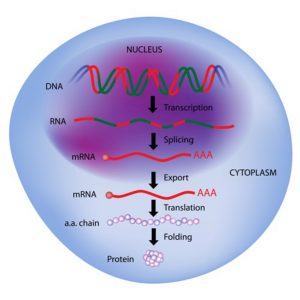
        Long noncoding RNAs (lncRNAs) illustrate this point nicely. This broad category of RNA molecules consists of transcripts (where genetic information is transferred from DNA to messenger RNA) that are over 200 nucleotides in length but are not translated into proteins.

        Though numbers vary from source to source, estimates indicate that somewhere between 60 to 90 percent of the human genome is transcribed. Yet only 2 percent of the genome consists of transcripts that are directly used to produce proteins. Of the transcripts that are untranslated, researchers estimate that somewhere between 60,000 to 120,000 of the transcripts are noncoding RNAs. Researchers categorize these transcripts as microRNAs(miRNAs), piwi-interacting RNAs (piwiRNAs), small interfering RNAs (siRNAs) and lncRNAs. The first three types of RNAs are relatively small in size and play a role in regulating gene expression.

        blog__inline--long-noncoding-rnas-1

        Figure 1: Transcription and Translation. Image credit: Shutterstock

        Initially, researchers thought for the most part that lncRNAs were transcriptional noise—junk. But this view has changed in recent years. Evidence continues to accrue demonstrating that lncRNAs play a wide range of roles in the cell.1 And as evidence for the utility of lncRNAs mounts, the case for the design of the human genome expands.

        The Functional Utility of Long Noncoding RNAs

        As it turns out, lncRNAs are extremely versatile molecules that can interact with: (1) other RNA molecules, (2) DNA, (3) proteins, and (4) cell membranes. This versatility opens up the possibility that these molecules play a diverse role in cellular metabolism.

        Recently, Harry Krause, a molecular geneticist from the University of Toronto, published two review articles summarizing the latest insights into lncRNA function. These insights, including the four to follow, demonstrate the functional pervasiveness of the transcripts.

        lncRNAs regulate gene expression. lncRNAs influence gene expression by a variety of mechanisms. One is through interactions with other transcripts forming RNA-RNA duplexes that typically interfere with translation of protein-coding messenger RNAs.

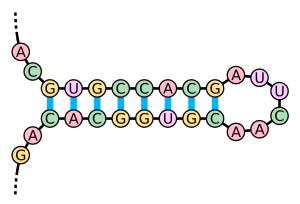
        Researchers have recently learned that lncRNAs can also influence gene expression by interacting with DNA. These interactions result in either: (1) a triple helix, made up of two DNA strands intertwined with one RNA strand, or (2) a double helix with the lncRNA intertwined with one of the DNA strands, leaving the other exposed as a single strand. When these duplexes form, the lncRNA forms a hairpin loop that can either indiscriminately or selectively attract transcription factors.

        blog__inline--long-noncoding-rnas-2

        Figure 2: A Hairpin Loop. Image credit: Wikipedia

        Though researchers are still learning about the role lncRNAs play in gene regulation, these varied interactions with DNA and proteins suggest that lncRNAs may influence gene expression through a variety of mechanisms.

        lncRNAs form microbodies within the nucleus and cytoplasm. A second function recognizes that lncRNAs interact with proteins to form hydrogel-like structures in the nucleus and cytoplasm. These structures are dense and heavily cross-linked subcellular structures that serve as functionally specific regions without a surrounding membrane. (In a sense, the microbodies could be viewed as somewhat analogous to ribosomes, the protein-RNA complexes that synthesize proteins.) In the nucleus, microbodies play a role in transcriptional processing, storage, and stress response. In the cytoplasm, microbodies play a role in storage, processing, and trafficking.

        lncRNAs interact with cell membranes. A third role stems from laboratory studies where lncRNAs have been shown to interact with model cell membranes. Such interactions suggest that lncRNAs may play a role in mediating biochemical processes that take place at cell membranes. Toward this end, researchers have recently observed certain lncRNA species interacting with phosphatidylinositol 3,4,5-triphosphate. This cell membrane component plays a central role in signal transduction inside cells.

        lncRNAs are associated with exosomes. Finally, lncRNAs have been found inside membrane-bound vesicles that are secreted by cells (called exosomes). These vesicles mediate cell-cell communication.

        In short, the eyes of the scientific community have been opened. And they now see the functional importance and functional diversity of lncRNAs. Given the trend line, it seems reasonable to think that the functional range of lncRNAs will only expand as researchers continue to study the human genome (and genomes of other organisms).

        The growing recognition of the functional versatility of lncRNAs aligns with studies demonstrating that other regions of the genome—long thought to be nonfunctional—do, in fact, play key roles in gene expression and other facets of cellular metabolism. Most significantly, toward this end, the functional versatility of lncRNAs supports the conclusions of the ENCODE Project—conclusions that have been challenged by some people in the scientific community.

        The ENCODE Project

        A program carried out by a consortium of scientists with the goal of identifying the functional DNA sequence elements in the human genome, the ENCODE Project, reported phase II results in the fall of 2012. (Currently, ENCODE is in phase IV.) To the surprise of many, the ENCODE Project reported that around 80 percent of the human genome displays biochemical activity—hence, function—with the expectation that this percentage should increase as results from phases III and IV of the project are reported.

        The ENCODE results have generated quite a bit of controversy. One of the most prominent complaints about the ENCODE conclusions relates to the way the consortium determined biochemical function. Critics argue that ENCODE scientists conflated biochemical activity with function. As a case in point, the critics argue that most of the transcripts produced by the human genome (which include lncRNAs) must be biochemical noise. This challenge flows out of predictions of the evolutionary paradigm. Yet, it is clear that the transcripts produced by the human genome are functional, as numerous studies on the functional significance of lncRNAs attest. In other words, the biochemical activity detected by ENCODE equates to biochemical function—at least with respect to transcription.

        A New View of Genomes

        These types of insights are radically changing scientists’ view of the human genome. Rather than a wasteland of junk DNA sequences stemming from the vestiges of an evolutionary history, genomes appear to be incredibly complex, sophisticated biochemical systems, with most of the genome serving useful and necessary functions.

        We have come a long way from the early days of the human genome project. When completed in 2003, many scientists at that time estimated that around 95 percent of the human genome consists of junk DNA. That acknowledgment seemingly provided compelling evidence that humans must be the product of an evolutionary history.

        Nearly 15 years later the evidence suggests that the more we learn about the structure and function of genomes, the more elegant and sophisticated they appear to be. It is quite possible that most of the human genome is functional.

        For creationists and intelligent design proponents, this changing view of the human genome—similar to discovering exciting new features of an iPhone—provides reasons to think that it is the handiwork of our Creator. A skeptic might ask, Why would a Creator make genomes littered with so much junk? But if a vast proportion of genomes consists of functional sequences, this challenge no longer carries weight and it becomes more and more reasonable to interpret genomes from within a creation model/intelligent design framework.

        Resources

        Endnotes
        1. Allison Jandura and Henry M. Krause, “The New RNA World: Growing Evidence for Long Noncoding RNA Functionality,” Trends in Genetics 33 (October 1, 2017): 665– 76, doi:10.1016/j.tig.2017.08.002; Henry M. Krause, “New and Prospective Roles for lncRNAs in Organelle Formation and Function,” Trends in Genetics 34 (October 1, 2018): 736–45, doi:10.1016/j.tig.2018.06.005.

        About Reasons to Believe

        RTB’s mission is to spread the Christian Gospel by demonstrating that sound reason and scientific research—including the very latest discoveries—consistently support, rather than erode, confidence in the truth of the Bible and faith in the personal, transcendent God revealed in both Scripture and nature. Learn More »

        Support Reasons to Believe

        Your support helps more people find Christ through sharing how the latest scientific discoveries affirm our faith in the God of the Bible.

        DONATE NOW


        U.S. Mailing Address
        818 S. Oak Park Rd.
        Covina, CA 91724
        • P (855) 732-7667
        • P (626) 335-1480
        • Fax (626) 852-0178

        Reasons to Believe logo

        Posted in Uncategorized | Leave a comment

        Molecular Logic of the Electron Transport Chain Supports Creation

        BY FAZALE RANA – FEBRUARY 27, 2019

        “It was said that some scientists attended the oxidative phosphorylation sessions of the Federation meetings because they knew a good punch up was on the cards.”

        —John Prebble, Department of Biological Sciences, University of London

        It has been described as one of the most “heated and acrimonious debates in biochemistry during the twentieth century,”1 and its resolution carries implications for a different ideological conflict—that of the origin of life.

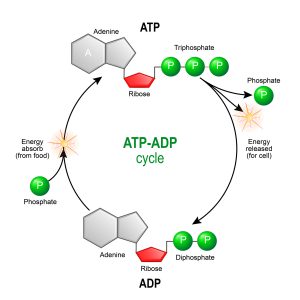
        This battle royale (dubbed the Ox Phos Wars) took place in the 1960s and early 1970s. At that time, biochemists were trying to decipher the mechanism used by mitochondria to produce the high-energy compound called ATP (adenosine triphosphate) through a process called oxidative phosphorylation (Ox Phos for short). Many components of the cell’s machinery use ATP to power their operations.
        blog__inline--molecular-logic-of-the-electron-transport-chain-1

        Figure 1: A schematic of the synthesis and breakdown cycle of ATP and ADP. Image credit: Shutterstock

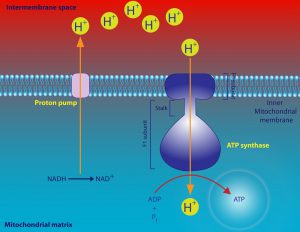
        So acrimonious was the debate that scientists involved in this controversy often came close to blows when publicly debating the mechanism of oxidative phosphorylation. Much of the controversy centered around an idea known as the chemiosmotic theory, proposed by biochemist Peter Mitchell. He argued that the electron transport chain generates a proton gradient across the mitochondrial inner membrane and, in turn, exploits that gradient through a coupling process to drive the synthesis of ATP from ADP (adenosine diphosphate) and inorganic phosphate. (see figures 1 and 2). (The reverse reaction liberates chemical energy that drives many biochemical processes.)
        blog__inline--molecular-logic-of-the-electron-transport-chain-2

        Figure 2: A schematic of the chemiosmotic theory. Image credit: Shutterstock

        At the time, this idea was met with a large measure of skepticism by biochemists. It didn’t fit with the orthodoxy, characteristic of classical biochemistry. Biochemists found Mitchell’s ideas hard to understand and his personality abrasive, both of which led to the acrimony.

        Origin-of-life researcher Leslie Orgel referred to the chemiosmotic theory as one of the most counterintuitive ideas to ever come out of biology, comparing it to the ideas that formed the foundations of quantum mechanics and relativity.2

        Many biochemists preferred the chemical theory of oxidative phosphorylation over Mitchell’s chemiosmotic theory. Researchers thought that the phosphate group added to ADP was transferred from one of the components of the electron transport chain. In an attempt to support this idea, many biochemists frantically searched for a chemical intermediate with a high-energy phosphate moiety that could power the synthesis of ATP.

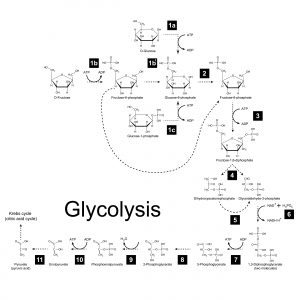
        The chemical theory was based on a process called substrate-level phosphorylation, exemplified by two reactions that form ATP during glycolysis. In one reaction, 1,3-diphosphoglycerate transfers one of its phosphate groups to ADP to form ATP. (In this case, 3-diphosphoglycerate serves as the intermediate with a high-energy phosphate moiety.) In the second reaction, phosphoenolpyruvate transfers a phosphate group to ADP to make ATP, with phosphoenolpyruvate functioning as the intermediate bearing a high-energy phosphate residue. (See figure 3.)

        As it turns out, the elusive intermediate was never found, forcing adherents of the chemical theory to abandon their model. Peter Mitchell’s idea won the day. In fact, Mitchell was awarded the Nobel Prize in Chemistry in 1978 for his contribution to understanding the mechanism of oxidative phosphorylation.

        Today, biochemists readily recognize the importance of proton gradients and the chemiosmotic process. Proton gradients are pervasive in living systems. Mitochondria are not alone. Chloroplasts rely on proton gradients during the process of photosynthesis. Bacteria and archaea also use proton gradients across their plasma membranes to harvest energy. Cells use proton gradients to transport material across cell membranes. And proton gradients even power the bacterial flagellum.

        Now that oxidative phosphorylation is understood, some evolutionary biologists and origin-of-life researchers have turned their attention to two questions: (1) How did chemiosmosis originate? and (2) Why are proton gradients so central to biochemical operations?

        Oxidative Phosphorylation and the Evolutionary Paradigm

        For many evolutionary biologists, understanding the origin of oxidative phosphorylation (and the use of proton gradients, in general) assumes a position of unique prominence because of the central role this process plays in harvesting energy in both prokaryotic and eukaryotic organisms. In other words, understanding the origin of oxidative phosphorylation (and use of proton gradients) is central to understanding the origin of life and the fundamental design of biochemical systems.

        Because the use of proton gradients in living systems is odd and counterintuitive, it becomes tempting for many origin-of-life researchers and evolutionary biologists to conclude that chemiosmosis reflects the outworking of a historically contingent evolutionary process that relied on existing systems and designs that were co-opted and, in turn, modified. This notion becomes reinforced by the work of origin-of-life researcher Nick Lane.

        Lane and his collaborators conclude that proton gradients must have been integral to the biochemistry of LUCA (the last universal common ancestor) because proton gradients are a near-universal feature of living systems. If so, then the use of proton gradients must have emerged during the origin-of-life process before LUCA originated. Lane and his team go so far as to propose that the first proto-cells emerged near hydrothermal vents and made use of naturally occurring proton gradients found in these environments as their energy source.3

        Once this system was in place, the strategy was retained in the cell lines that diverged from these early proto-cellular entities as the electron transport chain evolved from a simple, naturally occurring vent process to the complex process found in both prokaryotic and eukaryotic organisms. In other words, it would seem that the odd, counterintuitive nature of proton gradients reflects the happenstance outworking of chemical evolution that began when the naturally occurring proton gradients were co-opted in the early stages of chemical evolution.

        But Lane’s recent insight indicates that, though counterintuitive, the use of proton gradients to harvest the energy required to make ATP makes sense, displaying an exquisite molecular rationale.4 And if so, it forces a rethink of the explanation for the origin of chemiosmosis. To appreciate this shift in perspective, it is helpful to understand the process of oxidative phosphorylation, beginning with glycolysis and the Kreb’s cycle.

        Glycolysis and the Kreb’s Cycle

        The glycolytic pathway converts the fuel molecule glucose (a 6-carbon sugar) into two pyruvate molecules (3-carbon). This process proceeds through eleven chemical intermediates and nets 2 molecules of ATP (generated through substrate-level phosphorylation) and two molecules of NADH (nicotinamide adenine dinucleotide). NADH harbors high-energy electrons generated from the energy liberated from the breakdown and oxidation of glucose. As it turns out, the NADH molecules play a central role in generating most of the ATP produced when a sugar molecule breaks down.
        blog__inline--molecular-logic-of-the-electron-transport-chain-3

        Figure 3: Glycolysis. Image credit: Shutterstock

        The pyruvate generated by glycolysis is transported across the mitochondrial inner membrane into the matrix of the organelle. Here pyruvate is transformed into a molecule of carbon dioxide and a 2-carbon intermediate called acetyl CoA. This process generates 2 additional molecules of NADH.

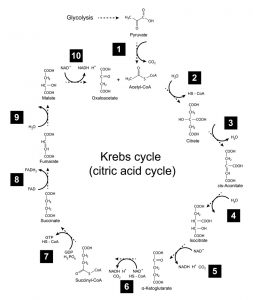
        In turn, the Kreb’s cycle converts each acetyl CoA molecule into two molecules of carbon dioxide. (The net reaction: a 6-carbon glucose molecule breaks down into 6 carbon dioxide molecules.) During the process, the breakdown of each acetyl CoA molecule generates 1 ATP molecule (via substrate-level phosphorylation) and 3 molecules of NADH. Additionally, 1 molecule of FADHis formed. Like NADH, this molecule possesses high-energy electrons. (See figure 4.)
        blog__inline--molecular-logic-of-the-electron-transport-chain-4

        Figure 4: Kreb’s cycle. Image credit: Shutterstock

        The Electron Transport Chain and Oxidative Phosphorylation

        The high-energy electrons of NADH and FADHare transferred to the electron transport chain, which is embedded in the inner membrane.

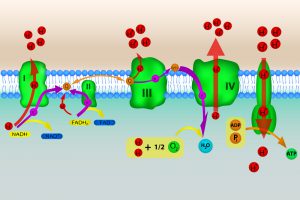
        Four protein complexes (dubbed I, II, III, and IV) make up the electron transport chain. The high-energy electrons from NADH and FADHare shuffled from one protein complex to the next, with each transfer releasing energy that is used to transport protons from the mitochondrial matrix across the inner membrane, establishing the proton gradient. (See figure 5.) Oxygen is the final electron acceptor in the electron transport chain. The electrons transferred to oxygen lead to the formation of a water molecule.

        Because protons are positively charged, the exterior region outside the inner membrane is positively charged and the interior region is negatively charged. The charge differential created by the proton gradient is analogous to a battery and the inner membrane is like a capacitor.
        blog__inline--molecular-logic-of-the-electron-transport-chain-5

        Figure 5: Electron Transport Chain. Image credit: Shutterstock

        The coupling of the proton gradient to ATP synthesis occurs as a result of the flow of positively charged protons through the F0 component of a protein complex called F1-F0ATPase (also embedded in the mitochondrial inner membrane). F1-F0ATPase uses this flux to convert electrochemical energy into mechanical energy that, in turn, is used to drive the formation of ATP from ADP and inorganic phosphate.

        The Molecular Logic of Proton Gradients

        So, why are chemiosmosis and proton gradients universal features of living systems? Are they an outworking of a historically contingent evolutionary process? Or is there something more at work?

        Even though proton gradients seem counterintuitive at first glance, the use of proton gradients to power the production of ATP and other cellular processes reflects an underlying ingenuity and exquisite molecular logic. Research shows that proton gradients allow the cell to efficiently extract as much energy as possible from the breakdown of glucose (and other biochemical foodstuffs).5 On the other hand, if ATP was produced exclusively by substrate-level phosphorylation, using a high-energy chemical intermediate, much of the energy liberated from the breakdown of glucose would be lost as heat.

        To understand why this is so, consider this analogy. Suppose people in a particular community receive their daily allotment of water in a 10-gallon bucket. The water they receive each day is retrieved from a reservoir with a 12-gallon bucket and then transferred to their bucket. In the process, two gallons of water is lost. Now, suppose the water from the reservoir is retrieved with a 12-gallon bucket but dumped into a secondary reservoir that has a tap. The tap allows each 10-gallon bucket to be filled without losing two gallons. Though the procedure is indirect and more complicated, using the secondary reservoir to distribute water is more efficient in the long run. In the first scenario, it takes 60 gallons of water (transferred from the reservoir in five 12-gallon buckets) to fill up five 10-gallon buckets. In the second scenario, the same amount of water transferred from the reservoir can fill six 10-gallon buckets. With each transfer, the additional two gallons accumulate in the reservoir until there is enough water to fill another 10-gallon bucket.

        With substrate-level phosphorylation, when the phosphate group is transferred from the high-energy intermediate to ADP to form ATP, excess energy released during the transfer is lost as heat. It takes 7 kcal/mole of energy to add a phosphate group to ADP to form ATP. Let’s say that the hypothetical chemical intermediate releases 10 kcal/mole when its high-energy phosphate bond is broken. Three kcal/mole of energy is lost.

        On the other hand, using the electron transport chain to build up a proton gradient is like the reservoir in our analogy. It allows that extra three kcal/mole to be stored in the proton gradient. We can think of the F1-F0ATPase as analogous to the tap. It uses 7 kcal/mole of energy released when protons flow through its channels to drive the formation of ATP from ADP and inorganic phosphate. The unused energy from the proton gradient continues to accumulate until enough energy is available to form another ATP molecule. So, in our hypothetical scenario, if the cell used substrate-level phosphorylation to make ATP, 70 molecules of the high-energy intermediate would yield 70 molecules of ATP with 210 kcal/mole of energy released as heat. But, using the electron transport chain to generate proton gradients yields 100 ATP molecules with no energy lost as heat.

        Chemiosmotic Theory and the Case for Creation

        The elegant molecular rationale that undergirds the use of proton gradients to harvest energy and to power certain cellular processes makes it unlikely that this biochemical feature reflects the outcome of a historically contingent process that just happened upon proton gradients. Instead, it points to a set of principles that underlie the structure and function of biochemical systems—principles that appear to have been set in place from the beginning of the universe.

        The most obvious and direct way for the first protocells to harvest energy would seemingly involve some type of mechanism that resembled substrate-level phosphorylation, not an indirect and more complicated mechanism that relies on proton gradients. If the origin of chemiosmosis and the use of proton gradients was, indeed, a historically contingent outcome—predicated on the fact that the first protocells just happened to employ a natural proton gradient—it seems almost eerie to think that evolutionary processes blindly stumbled upon what would later become such an elegant and efficient energy-harvesting process. And a process necessary for advanced life to be possible on Earth.

        If not for chemiosmosis, it is unlikely that eukaryotic cells and, hence, complex life such as animals, plants, and fungi, could have ever existed. Substrate-level phosphorylation just isn’t efficient enough to support the energy demands of eukaryotic organisms.

        It is also difficult to imagine how the natural proton gradients exploited by the first protocells could have been co-opted and then evolved so quickly into the complex components of the electron transport chain and F1-F0ATPase coupling mechanism found in cells that preceded LUCA. Not only are the components of the electron transport chain complex, but they have to work together in an integrated manner to establish the proton gradient across mitochondrial membranes (and the plasma membranes of bacteria and archaea). Without the existence of the F1-F0ATPase (or some other mechanism) to couple proton gradients to the synthesis of ATP, the generation of proton gradients would be for naught. The origin of the electron transport chain and F1-F0ATPase have to coincide.

        On the other hand, the ingenious use of proton gradients and the elegant molecular logic that accounts for their universal use by living systems are exactly the features I would expect if life stems from the work of a Mind. Moreover, the architecture and operation of complex I and F1-F0ATPase add to the case for creation. These two complexes are molecular motors that bear an startling similarity to man-made machines, revitalizing the Watchmaker argument for God’s existence.

        As noted, the use of proton gradients points to a set of deep, underlying principles that arise from the very nature of the universe itself and dictate how life must be. The molecular rationale that undergirds the use of proton gradients and their near-universal occurrence in living organisms suggests that proton gradients are an indispensable feature of living organisms. In other words, without the use of proton gradients to harvest energy and drive cellular processes, advanced life would not be possible. Or another way to say it: if life was discovered elsewhere in the universe, it would have to employ proton gradients to harvest energy.

        It is remarkable to think that proton gradients, which are a manifestation of the laws of nature, are, at the same time, precisely the type of system advanced life needs to exist. One way to interpret this “coincidence” is that it serves as evidence that our universe has been designed for a purpose.

        And as a Christian, I find that notion to resonate powerfully with the idea that life manifests from an intelligent Agent—namely, God.

        Resources

        Endnotes
        1. John Prebble, “Peter Mitchell and the Ox Phos Wars,” Trends in Biochemical Sciences 27 (April 1, 2002): 209–12, doi:10.1016/S0968-0004(02)02059-5.
        2. Leslie E. Orgel, “Are You Serious, Dr. Mitchell?” Nature 402 (November 4, 1999): 17, doi:10.1038/46903.
        3. Nick Lane, John F. Allen, and William Martin, “How Did LUCA Make a Living? Chemiosmosis in the Origin of Life,” Bioessays 32 (2010): 271–80, doi:10.1002/bires.200900131.
        4. Nick Lane, “Why Are Cells Powered by Proton Gradients?” Nature Education 3 (2010): 18.
        5. Nick Lane, “Bioenergetic Constraints on the Evolution of Complex Life,” Cold Spring Harbor Perspectives in Biology 6 (2014): a015982, doi:10.1101/cshperspect.a015982.

        About Reasons to Believe

        RTB’s mission is to spread the Christian Gospel by demonstrating that sound reason and scientific research—including the very latest discoveries—consistently support, rather than erode, confidence in the truth of the Bible and faith in the personal, transcendent God revealed in both Scripture and nature. Learn More »

        Support Reasons to Believe

        Your support helps more people find Christ through sharing how the latest scientific discoveries affirm our faith in the God of the Bible.

        DONATE NOW


        U.S. Mailing Address
        818 S. Oak Park Rd.
        Covina, CA 91724
        • P (855) 732-7667
        • P (626) 335-1480
        • Fax (626) 852-0178

        Reasons to Believe logo

        Posted in Uncategorized | Leave a comment