Interplanetary Dust Delivery Allows Human Existence

BY HUGH ROSS – OCTOBER 22, 2018

Extraterrestrial iron dust delivery by means of exquisitely fine-tuned processes has made modern civilization possible. Scientists sought to discern the nature of an unknown part of a phenomenon—bioavailable iron on Earth—and their research led to a major discovery that was published in the October issue of Geology.1

Life has been present on Earth at a high abundance level throughout the past 3.8 billion years. While Earth’s continents possess the greatest diversity of life, it is the oceans that contain the greatest quantity of life—and the foundation for all this marine life is phytoplankton.

Phytoplankton Sustain Marine Life
Phytoplankton are microscopic organisms that engage in photosynthesis. They are primary producers in that they manufacture sugars, starches, and fats from water and carbon dioxide dissolved in water. These sugars, starches, and fats sustain the entire aquatic food web.

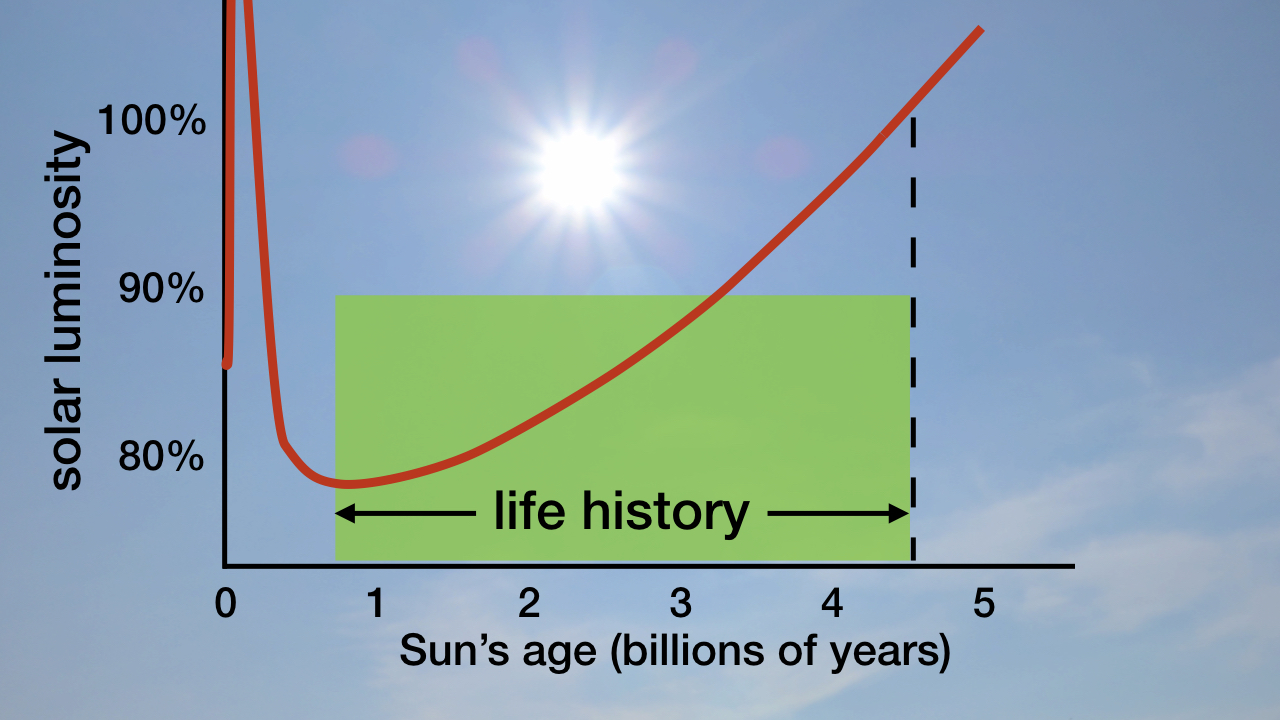
Phytoplankton account for more than half of all photosynthetic activity on Earth. When present at high-enough densities, some species are easily visible as colored patches on surface waters (see figure 1). Phytoplankton play a major role not only in sustaining marine life and diversity but also in removing sufficient quantities of carbon dioxide (a powerful greenhouse gas) from the atmosphere to compensate for the ever-brightening Sun (see figure 2).

blog__inline--interplanetary-dust-delivery-1

Figure 1: Phytoplankton Blooms off the Southwest Coast of England
credit: NASA
blog__inline--interplanetary-dust-delivery-2

Figure 2: The Sun’s Increasing Brightness throughout Life’s History. Image credit: Figure created by the author

What limits the quantity of phytoplankton in the oceans is the availability of iron—known as bioavailable iron—in physical and chemical forms that the phytoplankton can use.2 In most of the surface waters of the world’s oceans, the concentration of bioavailable iron is very low, less than 0.2 nanomoles (roughly less than 2 parts per 10 billion).3

Sources of Bioavailable Iron
Scientists have long thought that the bioavailable iron present in the oceans has been delivered by eolian dust. Eolian dust, otherwise known as loess, refers to silt-sized material deposited by winds blowing off of exposed continental landmasses, primarily deserts and plateaus. This flux of bioavailable iron from eolian dust is geographically highly variable. Ocean regions far from deserts and plateaus receive very little of this dust. The Southern Ocean, which comprises most of Earth’s surface water, receives just 0.2–5 micromoles/square meter/year of bioavailable eolian dust.4 (This figure includes not just bioavailable iron but all bioavailable metals.)

The delivery of bioavailable eolian dust to the Southern Ocean falls considerably short of what is needed to sustain the quantity of phytoplankton known to exist there. Thus, geologists Peter Reiners of the University of Arizona and Alexandra Turchyn of the University of Cambridge present evidence in their paper that the delivery of bioavailable iron from extraterrestrial dust makes up the difference.

They begin by citing ice, marine sediment, and terrestrial sediment core records that establish a present-day flux of 40 million kilograms/year of iron delivery to Earth from interplanetary space.5 Reiners and Turchyn calculate how much of this iron is bioavailable. For the Southern Ocean, they conclude that the present flux of bioavailable iron from interplanetary space is comparable to and likely larger than the flux from eolian dust.6

Implications of Present-Day Interplanetary Iron Flux
Reiners and Turchyn do not comment in their paper on the implications of such abundant extraterrestrial bioavailable iron delivery to the present-day Southern Ocean. However, the implications seem obvious. The Southern Ocean would not be able to sustain the enormous biomass and biodiversity that it does without this ongoing delivery. Nor would the phytoplankton in the Southern Ocean be able to remove enough carbon dioxide from the atmosphere to compensate for the brightening of the Sun.

Without the present high rate of extraterrestrial bioavailable iron flux, advanced life and human civilization would not be possible. In fact, global high-technology civilization requires that this flux be fine-tuned.7

Past Sources of Extraterrestrial Bioavailable Iron
Reiners and Turchyn devote most of their research paper to addressing several events during the past half billion years when the flux of extraterrestrial dust was many times higher than it is at present. The most dramatic of these events is the Ordovician L-Chondrite Event that, according to meteorite geochronology and terrestrial stratigraphic records, occurred 470±6 million years ago and produced the Ordovician meteorite shower 467.3±1.6 million years ago.8 This shower lasted at least 2 million years and the extraterrestrial material flux was 100–1,000 times higher than the present rate.

The Ordovician L-Chondrite Event was likely caused by a major collision event in the Main Belt (the asteroid belt between Mars and Jupiter) that resulted in the breakup of a single large asteroid.9 This collision was responsible for most, if not all, L-chondrite meteorites. Even today it accounts for about 40 percent of all Earth-bound interplanetary objects.

The end-Ordovician mass extinction event ranks as the second most devastating mass extinction event known. Half of all animal genera and about 85 percent of all marine species were wiped out.10 While much of this extinction resulted from major impacts associated with the Ordovician L-Chondrite Event, the extremely high flux of interplanetary bioavailable iron dust would have so enhanced marine primary productivity from phytoplankton as to greatly draw down carbon dioxide from the atmosphere. The drawdown of so much of this important greenhouse gas explains the widespread glaciation event that was associated with the end-Ordovician mass extinction event. The greatly enhanced phytoplankton productivity also explains the enormous deposits of oolite ironstones (resulting from increased oxygen concentrations in the oceans) and black shales (resulting from enhanced burial of organic carbon) that were laid down at this time.11

Similarly, Reiners and Turchyn show that three other major biological/depositional events, the late Miocene Veritas (8.3±0.5 million years ago12), end-Eocene (34.1–33.6 million years ago13), and Jurassic-Cretaceous (201–66 million years ago), were caused by much-enhanced fluxes of interplanetary bioavailable iron. The fluxes were 5, 6–10, and 4–10 times higher than the present flux, respectively.14 Each of these three events was accompanied by global cooling events and global depositions of oolite ironstones and black shales.

Implications of Past Interplanetary Iron Flux
As with present sources of interplanetary iron dust delivery to Earth, Reiners and Turchyn also decline to comment in their paper on the implications of past deliveries. Again, the implications seem obvious. Without the drawdowns of carbon dioxide that took place at each of the past four major iron dust deposition events, the increasing luminosity of the Sun would have heated Earth’s surface beyond the limit that life, especially advanced life, could withstand. Earth would have become a permanently sterile body long before the possible time window for human existence.

Without the much-enhanced productivity of marine phytoplankton, the treasure chest of biodeposits that presently exists would be much smaller. Lower reserves of biodeposits would have placed serious limitations on the capacity of humans to launch and sustain civilization. The maintenance of a human population in the billions—where those billions enjoy high-technology civilization—would not have been possible. Nor would it be possible for billions of humans to hear, understand, and respond in a brief window of time to Jesus Christ’s offer of redemption from sin. We indeed have many reasons to be grateful for bioavailable extraterrestrial iron dust being delivered to Earth in the just-right amounts at the just-right times.

Endnotes
  1. Peter W. Reiners and Alexandra V. Turchyn, “Extraterrestrial Dust, the Marine Lithologic Record, and Global Biogeochemical Cycles,” Geology 46 (October 2018): 863–66, doi:10.1130/G45040.1.
  2. Nazli Olgun et al., “Surface Ocean Iron Fertilization: The Role of Airborne Volcanic Ash from Subduction Zone and Hot Spot Volcanoes and Related Iron Fluxes into the Pacific Ocean,” Global Biogeochemical Cycles 25 (December 2011): id. GB4001, doi:10.1029/2009GB003761; P. W. Boyd and M. J. Ellwood, “The Biogeochemical Cycle of Iron in the Ocean,” Nature Geoscience 3 (September 26, 2010): 675–82, doi:10.1038/ngeo964.
  3. M. M. Morel and N. M. Price, “The Biogeochemical Cycles of Trace Metals in the Oceans,” Science 300 (May 9, 2003): 944–47, doi:10.1126/science.1083545.
  4. Reiners and Turchyn, “Extraterrestrial Dust,” 863.
  5. Bernhard Peucker-Ehrenbrink, Greg Ravizza, and Gisela Winckler, “Geochemical Tracers of Extraterrestrial Matter in Sediments,” Elements 12 (June 2016): 191–96, doi:10.2113/gselements.12.3.191.
  6. Reiners and Turchyn, “Extraterrestrial Dust,” 863.
  7. Hugh Ross, Improbable Planet: How Earth Became Humanity’s Home (Grand Rapids, MI: Baker, 2016), 180–219.
  8. Ekaterina V. Korochantseva et al., “L-Chondrite Asteroid Breakup Tied to Ordovician Meteorite Shower by Multiple Isochron 40Ar-39Ar Dating,” Meteoritics & Planetary Science 42 (January 2007): 113–30, doi:10.1111/j.1945-5100.2007.tb00221.x.
  9. Korochantseva et al., “L-Chondrite Asteroid Breakup,” 113.
  10. Peter M. Sheehan, “The Late Ordovician Mass Extinction,” Annual Review of Earth and Planetary Sciences 29 (May 2001): 331–64, doi:10.1146/annurev.earth.29.1.331.
  11. Reiners and Turchyn, “Extraterrestrial Dust,” 865.
  12. Alessandro Montanari et al., “Stratigraphic Record of the Asteroidal Veritas Breakup in the Tortonian Monte dei Corvi Section (Ancona, Italy),” Geological Society of America Bulletin 129 (April 19, 2017): 1357­–76, doi:10.1130/B31476.1.
  13. X. Li et al., “Terrestrial Responses of Low-Latitude Asia to the Eocene-Oligocene Climate Transition Revealed by Integrated Chronostratigraphy,” Climate of the Past 12 (February 2016): 255–72, doi:10.5194/cp-12-255-2016; Rui Zhang, Vadim A. Kravchinsky, and Leping Yue, “Link between Global Cooling and Mammalian Transformation across the Eocene-Oligocene Boundary in the Continental Interior of Asia,” International Journal of Earth Sciences 101 (2012): 2193–2200, doi:10.1007/s00531-012-0776-1.
  14. Reiners and Turchyn, “Extraterrestrial Dust,” 864.

About Reasons to Believe

RTB’s mission is to spread the Christian Gospel by demonstrating that sound reason and scientific research—including the very latest discoveries—consistently support, rather than erode, confidence in the truth of the Bible and faith in the personal, transcendent God revealed in both Scripture and nature. Learn More »

Support Reasons to Believe

Your support helps more people find Christ through sharing how the latest scientific discoveries affirm our faith in the God of the Bible.

DONATE NOW


U.S. Mailing Address
818 S. Oak Park Rd.
Covina, CA 91724
  • P (855) 732-7667
  • P (626) 335-1480
  • Fax (626) 852-0178

Reasons to Believe logo

Posted in Uncategorized | Leave a comment

How Does Science Show That God Is a Personal Being?

BY HUGH ROSS – OCTOBER  2018

The following question was posted on my Facebook page several days ago:

I understand that the fine-tuning evidence for God’s existence is overwhelming. But how do we know that this God is a personal Being? I know it myself from the indwelling of the Holy Spirit, but how do I explain it to a skeptic?

I answer this question at length in my book The Creator and the Cosmos.1 Here, I will provide a much briefer answer.

The experimental and observational evidence that the universe has a beginning in finite time establishes that the universe must have some kind of Beginner. Space-time theorems provide additional evidence that some kind of causal Agent beyond space and time created our universe of matter, energy, space, and time. I describe and document in much detail the experimental, observational, and theoretical evidence for this causal Agent in The Creator and the Cosmos.2

While this evidence for a cosmic causal Agent establishes deism (the existence of an uncaused Agent that created the universe but does not interfere directly with the created universe), it does not necessarily establish theism (the existence of a Supreme Being who not only creates the universe but also directly intervenes in shaping the created universe to achieve specific purposes and goals). Deists reject either that God is a personal Being or that the personal Being who created the universe intervenes in any way at any point in the history of the universe beyond the cosmic creation event. Theists, on the other hand, assert that God is a personal Being and that he has demonstrated his personality by directly intervening throughout cosmic history to achieve his personal goals and purposes for the universe.

Christians frequently cite the fine-tuning of the universe, Milky Way Galaxy, solar system, Earth, and Earth’s life to make possible the existence of human beings and human civilization as indisputable evidence that God is a personal Being. I explain why this evidence is so powerful in chapters 5, 6, and 14­–17 of The Creator and the Cosmos.3

In many cases, the level of fine-tuning of the universe and the laws of physics to make possible the existence of human beings, or their functional equivalent, measures far beyond the best examples of fine-tuning achieved by us humans. Some examples would be the needed fine-tuning of dark energy, dark matter, the force of gravity, and the force of electromagnetism. That this fine-tuning far exceeds our best human achievements implies that the causal Agent—who designed these features for the existence and benefit of human beings—is, at minimum, many orders of magnitude more intelligent, knowledgeable, inventive, creative, and powerful than we humans. Since intellect, knowledge, inventiveness, creativity, and power are attributes that only a personal being can possess, the causal Agent who created the universe must be a personal Being.

Fine-tuning evidence for the existence and benefit of human beings, and high-technology human civilization in particular, is not limited to the laws of physics and the gross features of the universe. This evidence for fine-tuning is ubiquitous. It exists on all size scales.

As I show in The Creator and the Cosmos, for humans to possibly exist in the universe, not only must the laws of physics and the universe as a whole be exquisitely designed, but also the cluster of galaxies, the galaxy, the host star, the planetary system, the host planet, and the host planet’s moon in which the humans reside.4 Furthermore, as I show in my book Improbable Planet, the physical, chemical, and biological history of the humans’ planet must also be exquisitely fine-tuned.5 The required fine-tuning extends all the way down in size scales to molecules, atoms, and fundamental particles.

No matter where in the realm of nature human investigators look, they will find overwhelming scientific evidence for the existence of God and for the personal attributes of God. A quick look at the four past editions of The Creator and the Cosmos will affirm that the more we learn about nature, the more evidence we gain for the existence of an all-knowing, all-powerful, all-loving personal God and for what Paul declared in Romans 1:20 (Christian Standard Bible),

For his [God’s] invisible attributes, that is, his eternal power and divine nature, have been clearly seen since the creation of the world, being understood through what he has made.

Endnotes
  1. Hugh Ross, The Creator and the Cosmos: How the Latest Scientific Discoveries Reveal God, 4th ed.(Covina, CA: RTB Press, 2018), 45–266.
  2. Ross, Creator and the Cosmos, 33–158.
  3. Ross, Creator and the Cosmos, 45–76, 159–222.
  4. Ross, Creator and the Cosmos, 159–222, 243–66.
  5. Hugh Ross, Improbable Planet: How Earth Became Humanity’s Home(Grand Rapids, MI: Baker, 2016), 28–219.

About Reasons to Believe

RTB’s mission is to spread the Christian Gospel by demonstrating that sound reason and scientific research—including the very latest discoveries—consistently support, rather than erode, confidence in the truth of the Bible and faith in the personal, transcendent God revealed in both Scripture and nature. Learn More »

Support Reasons to Believe

Your support helps more people find Christ through sharing how the latest scientific discoveries affirm our faith in the God of the Bible.

DONATE NOW


U.S. Mailing Address
818 S. Oak Park Rd.
Covina, CA 91724
  • P (855) 732-7667
  • P (626) 335-1480
  • Fax (626) 852-0178

Reasons to Believe logo

Posted in Uncategorized | Leave a comment

Sexual Reproduction Challenges Evolution, Affirms Creation

BY GUEST WRITER – OCTOBER 5, 2018

By Hugh Henry

One of the greatest challenges to the theory of evolution is to explain sexuality. How could sexual reproduction have emerged by random, natural processes from early life-forms practicing asexual reproduction? How could natural selection evolve two versions of a species: essentially identical except for reproductive organs? When the data is analyzed, a creation perspective may make more sense.

Accounting for the Emergence of Sexual Reproduction

A review of the scientific literature reveals that the evolution of sexual reproduction has been described as “controversial,”1 and as a “paradox”2 and a “mystery.”3 A 2002 article in Nature Reviews Genetics states that “at least 20 theories had been proposed to explain the widespread occurrence of sexual reproduction”4; and a 2017 article in Trends in Ecology and Evolution observes that “many of the plausible hypotheses for sex have restrictive assumptions.”5 Moreover, there is no hard evidence for any of the twenty or so hypotheses.6

Yet the most perplexing question from an evolutionary perspective is: why did advanced life-forms evolve sexuality at all? Why didn’t we evolve based on asexual reproduction? To use a mythological image: why aren’t we all Amazon women?

It should be noted that asexual reproduction can be much more complex than simple cell division (mitosis). An advantage of sexual reproduction via meiosis is the exchange of genetic material; however, this can also be done asexually. For example, the phenomenon of parasexuality describes the direct transfer of genetic material among bacteria7; and, as first reported in 1953,8 it is common in fungi.9 Even some higher life-forms reproduce asexually via apomixis, which is reproduction by special generative tissues without fertilization; that is, without female and male union. The term apomixis includes parthenogenesis (in which a new individual develops from an unfertilized egg) in some plants, invertebrates, and even vertebrates.

The cell biology of some of these asexual reproductive mechanisms is similar to sexual reproduction in the transfer of genetic material; it’s just that distinct “male” and “female” forms are lacking. Since the theory of evolution often focuses on finding transitional forms, these asexual reproductive mechanisms might be viewed in that way.

However, the scientific literature suggests that these asexual processes could be a barrier to the development of sexuality, rather than a transition into it. Articles in the Journal of Heredity and Integrative Zoology, respectively, emphasize that sexual reproduction offers no advantage in the context of natural selection, and that it is less efficient than asexual reproduction:

Nobody has attributed any benefit of amphimixis [sexual reproduction] to the parents who are engaged in it, and the supposed beneficiaries are the offspring.10 [The] inherent costs [of sex] have made its maintenance difficult to explain. The most famous of these is the twofold cost of males, which can greatly reduce the fecundity [reproductive capacity] of a sexual population, compared to a population of asexual females.11 A 2018 article article in Trends in Genetics summarizes the problems: The issue of the evolution of amphimixis involves three problems: (i) how it originated some 2 billion years ago; (ii) how it manages to outcompete obligate apomictic clones that keep emerging in some, although not all, amphimictic species; and (iii) how its gradual evolution does not turn amphimixis into apomixis or something similar. . . . Problem (iii) is the toughest one. Amphimixis can disappear not only abruptly, . . . but also gradually.12

These and other journal articles taken together reveal an interesting picture:

  • There is no consensus among evolutionary biologists about the development of sexual reproduction, and many of the hypotheses are structured as restrictive “just so stories” requiring a cascade of unlikely events.
  • Most—if not all—life-forms could be configured for asexual reproduction.
  • Sexual reproduction is more “expensive” than asexual reproduction; it is more difficult and requires more energy.
  • From the point of view of natural selection, there is no benefit to sexual reproduction. To the contrary, asexual reproduction offers reproductive advantage over sexual reproduction.
  • The real question may be how do we keep sexual reproduction—however we acquired it. Why do we and other sexual life-forms not devolve into the less “expensive” condition of asexuality?

Which Model Makes More Sense?

In light of all the above, the evolution of sexual reproduction by random, spontaneous processes makes no sense. Assuming natural selection as the mechanism, evolution should have stopped with some form of asexual apomixis. Even if a life-form had happened to evolve sexual reproduction, it would have disappeared because there was no reproductive advantage.

There must be a different answer . . . and that answer may be found in the Bible: God created man in His own image, in the image of God He created him; male and female He created them (Genesis 1:27 NASB). The LORD God said, “It is not good for the man to be alone; I will make him a helper suitable for him” (Genesis 2:18 NASB).

Sexual reproduction is not for efficiency; it offers no reproductive advantage. Why does it exist? It may be for companionship and partnership, as ordained by the creator-God for humans—and for many animals as well. It seems most plausible that it came from a loving God—not as the product of an evolutionary processes.

Acknowlegment:

This topic was the idea of my 17-year-old grandson, Jeff Obermeyer, Jr., who deserves special credit for his insight.

To find out more about Hugh Henry, please check out his biography.

Endnotes
  1. Matthew Hartfield and Peter D. Keightley, “Current Hypotheses for the Evolution of Sex and Recombination,” Integrative Zoology 7 (June 12, 2012): 192–209, doi:10.1111/j.1749-4877.2012.00284.x.
  2. Roger Butlin, “Evolution of Sex: The Costs and Benefits of Sex; New Insights from Old Asexual Lineages,” Nature Reviews Genetics 3 (April 1, 2002), 311–17, doi:10.1038/nrg749.
  3. Maurine Neiman, Curtis M. Lively, and Stephanie Meirmans, “Why Sex? A Pluralist Approach Revisited,” Trends in Ecology and Evolution 32 (June 9, 2017): 589–600, doi:10.1016/j.tree.2017.05.004.
  4. Roger Butlin, “Evolution of Sex,” 192–209
  5. Maurine Neiman, Curtis M. Lively, and Stephanie Meirmans, “Why Sex?” 589–600.
  6. Alexey S. Kondrashov, “Through Sex, Nature Is Telling Us Something Important,” Trends in Genetics 34, no. 5 (February 4, 2018): 352–61, doi:10.1016/j.tig.2018.01.003.
  7. Sarah P. Otto, “Sexual Reproduction and the Evolution of Sex,” Nature Education 1 (2008): 182, accessed August 23, 2018, https://www.nature.com/scitable/topicpage/sexual-reproduction-and-the-evolution-of-sex-824.
  8. G. Pontecorvo et al., “The Genetics of Aspergillus nidulans,” Advances in Genetics 5 (1953): 141–238, doi:10.1016/S0065-2660(08)60408-3.
  9. R. D. Tinline and B. H. MacNeill, “Parasexuality in Plant Pathogenic Fungi,” Annual Review of Phytopathology 7 (September 1969): 147–68, doi:10.1146/annurev.py.07.090169.001051.
  10. A. S. Kondrashov, “Classification of Hypotheses on the Advantage of Amphimixis,” Journal of Heredity 84 (September 1, 1993): 372–87, doi:10.1093/oxfordjournals.jhered.a111358.
  11. Matthew Hartfield and Peter D. Keightley, “Current Hypotheses for the Evolution of Sex,” 192–209.
  12. Alexey S. Kondrashov, “Through Sex,” 352–61.


Category
Tags

About Reasons to Believe

RTB’s mission is to spread the Christian Gospel by demonstrating that sound reason and scientific research—including the very latest discoveries—consistently support, rather than erode, confidence in the truth of the Bible and faith in the personal, transcendent God revealed in both Scripture and nature. Learn More »

Support Reasons to Believe

Your support helps more people find Christ through sharing how the latest scientific discoveries affirm our faith in the God of the Bible.

DONATE NOW


U.S. Mailing Address
818 S. Oak Park Rd.
Covina, CA 91724
  • P (855) 732-7667
  • P (626) 335-1480
  • Fax (626) 852-0178

Reasons to Believe logo

Posted in Uncategorized | Leave a comment

6 Straight A Christian Thinkers

BY KENNETH R. SAMPLES – SEPTEMBER 18, 2018

The Christian church has been graced with brilliant and influential thinkers since its inception. A list of “who’s who” in Christian scholarship would be long and diverse in terms of scholarly disciplines. To whet your appetite in the areas of theology and philosophy, here’s a snapshot of six “straight A” thinkers.

By “straight A,” I mean two things. First, I’m noting that these thinkers were all brilliant scholars (no doubt, they would’ve received straight A report cards in today’s grading system) and accomplished philosophers and theologians who advanced Western civilization in general, and Christianity in particular. Second, all of these distinguished Christian scholars’ names begin with the letter “A.” So they’re Christendom’s A-Team!

Christendom’s A-Team

Here’s a brief summary of the “straight A” Christian theologians and philosophers from ancient and medieval Christendom and what they are known for:

  1. Athanasius (ca. 296–373), Defender of Orthodoxy

Athanasius is one of the most honored theologians in church history. His articulation and defense of essential Christian doctrine earned him the title “Father of Orthodoxy.” With his rare combination of a tenacious character and depth of theological insight, Athanasius championed the doctrine of the incarnation at a time when the faith was extremely vulnerable to heretical attack.

  1. Ambrose (ca. 340–397), The Great Orator

Ambrose is recognized as a Doctor of the Catholic Church and is known as one of the great orators in Christian history. A classically educated scholar, he helped introduce Greek Christian thinkers to the Latin West. Ambrose served as a skilled church theologian and bishop. Ambrose was deeply influential in the conversion of St. Augustine and later baptized him into the faith.

  1. Augustine (354–430), Greatest Author of Antiquity

Augustine of Hippo is arguably the most influential Christian thinker outside the New Testament authors. History knows him as a theologian, philosopher, church bishop, and a gifted and tenacious defender of orthodox Christianity. Having penned more than five million words, Augustine was the most prolific author of antiquity. He wrote several books that are considered both Christian and literary classics, including Confessions and The City of God.

  1. Anselm (1033–1109), Integrator of Faith and Reason

Anselm of Canterbury is honored as a Doctor of the Catholic Church and has been recognized as the greatest Christian thinker between St. Augustine and St. Thomas Aquinas. He is well-known for his understanding of the relationship between faith and reason and for formulating one of the most distinctive arguments ever—the ontological argument—for the existence of God.

  1. Abelard (1079–1142), The Medieval Logician

Peter Abelard is considered one of the great scholars of the Christian Middle Ages. As a French scholastic philosopher, he contributed significantly to such fields as logic and the problem of universals. As a theologian, his extravagant life and controversial beliefs were sometimes criticized by the church, but he still made contributions in Christian doctrine and practice.

  1. Aquinas (1225–1274), The Catholic Philosopher

Thomas Aquinas may have possessed the brightest mind in the history of Christendom. A medieval scholastic philosopher and theologian, Aquinas’s system of thought (called “Thomism”) was declared the official philosophy of the Roman Catholic Church. In a lifespan of fewer than 50 years, he wrote voluminously and masterfully defended classical Christian theism.

In the modern world, people sometimes ask whether the Christian faith is compatible with reason. But for most of Western civilization, the greatest intellectuals were also people of deep Christian faith. Today’s Christians could greatly benefit from knowing about these scholars of Christendom’s ancient and medieval past.

My faith is uplifted by knowing that these people affirmed the same historic Christian truths that I do.

Reflections: Your Turn

Who is your favorite Christian thinker of the past outside of the Bible? What lessons can today’s believers learn from earlier Christians? Visit Reflections on WordPress to comment with your response.

Resources

For more in-depth articles that highlight these men’s lives, writings, and contributions to Christendom, see:

About Reasons to Believe

RTB’s mission is to spread the Christian Gospel by demonstrating that sound reason and scientific research—including the very latest discoveries—consistently support, rather than erode, confidence in the truth of the Bible and faith in the personal, transcendent God revealed in both Scripture and nature. Learn More »

Support Reasons to Believe

Your support helps more people find Christ through sharing how the latest scientific discoveries affirm our faith in the God of the Bible.

DONATE NOW


U.S. Mailing Address
818 S. Oak Park Rd.
Covina, CA 91724
  • P (855) 732-7667
  • P (626) 335-1480
  • Fax (626) 852-0178

Reasons to Believe logo

Posted in Uncategorized | Leave a comment

The Optimal Design of the Genetic Code

BY FAZALE RANA – OCTOBER 3, 2018

MORE

Were there no example in the world of contrivance except that of the eye, it would be alone sufficient to support the conclusion which we draw from it, as to the necessity of an intelligent Creator.

–William Paley, Natural Theology

In his classic work, Natural Theology, William Paley surveyed a range of biological systems, highlighting their similarities to human-made designs. Paley noticed that human designs typically consist of various components that interact in a precise way to accomplish a purpose. According to Paley, human designs are contrivances—things produced with skill and cleverness—and they come about via the work of human agents. They come about by the work of intelligent designers. And because biological systems are contrivances, they, too, must come about via the work of a Creator.

For Paley, the pervasiveness of biological contrivances made the case for a Creator compelling. But he was especially struck by the vertebrate eye. For Paley, if the only example of a biological contrivance available to us was the eye, its sophisticated design and elegant complexity alone justify the “necessity of an intelligent creator” to explain its origin.

As a biochemist, I am impressed with the elegant designs of biochemical systems. The sophistication and ingenuity of these designs convinced me as a graduate student that life must stem from the work of a Mind. In my book The Cell’s Design, I follow in Paley’s footsteps by highlighting the eerie similarity between human designs and biochemical systems—a similarity I describe as an intelligent design pattern. Because biochemical systems conform to the intelligent design pattern, they must be the work of a Creator.

As with Paley, I view the pervasiveness of the intelligent design pattern in biochemical systems as critical to making the case for a Creator. Yet, in particular, I am struck by the design of a single biochemical system: namely, the genetic code. On the basis of the structure of the genetic code alone, I think one is justified to conclude that life stems from the work of a Divine Mind. The latest work by a team of German biochemists on the genetic code’s design convinces me all the more that the genetic code is the product of a Creator’s handiwork.1

To understand the significance of this study and the code’s elegant design, a short primer on molecular biology is in order. (For those who have a background in biology, just skip ahead to The Optimal Genetic Code.)

Proteins

The “workhorse” molecules of life, proteins take part in essentially every cellular and extracellular structure and activity. Proteins are chain-like molecules folded into precise three-dimensional structures. Often, the protein’s three-dimensional architecture determines the way it interacts with other proteins to form a functional complex.

Proteins form when the cellular machinery links together (in a head-to-tail fashion) smaller subunit molecules called amino acids. To a first approximation, the cell employs 20 different amino acids to make proteins. The amino acids that make up proteins possess a variety of chemical and physical properties.

blog__inline--the-optimal-design-of-the-genetic-code-1

Figure 1: The Amino Acids. Image credit: Shutterstock

Each specific amino acid sequence imparts the protein with a unique chemical and physical profile along the length of its chain. The chemical and physical profile determines how the protein folds and, therefore, its function. Because structure determines the function of a protein, the amino acid sequence is key to dictating the type of work a protein performs for the cell.

DNA

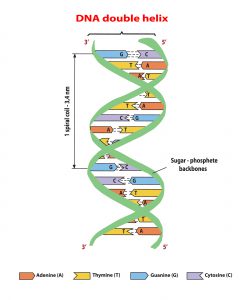
The cell’s machinery uses the information harbored in the DNA molecule to make proteins. Like these biomolecules, DNA consists of chain-like structures known as polynucleotides. Two polynucleotide chains align in an antiparallel fashion to form a DNA molecule. (The two strands are arranged parallel to one another with the starting point of one strand located next to the ending point of the other strand, and vice versa.) The paired polynucleotide chains twist around each other to form the well-known DNA double helix. The cell’s machinery forms polynucleotide chains by linking together four different subunit molecules called nucleotides. The four nucleotides used to build DNA chains are adenosine, guanosine, cytidine, and thymidine, familiarly known as A, G, C, and T, respectively.

blog__inline--the-optimal-design-of-the-genetic-code-2

Figure 2: The Structure of DNA. Image credit: Shutterstock

As noted, DNA stores the information necessary to make all the proteins used by the cell. The sequence of nucleotides in the DNA strands specifies the sequence of amino acids in protein chains. Scientists refer to the amino-acid-coding nucleotide sequence that is used to construct proteins along the DNA strand as a gene.

The Genetic Code

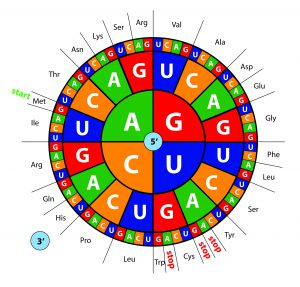
A one-to-one relationship cannot exist between the 4 different nucleotides of DNA and the 20 different amino acids used to assemble polypeptides. The cell addresses this mismatch by using a code comprised of groupings of three nucleotides to specify the 20 different amino acids.

The cell uses a set of rules to relate these nucleotide triplet sequences to the 20 amino acids making up proteins. Molecular biologists refer to this set of rules as the genetic code. The nucleotide triplets, or “codons” as they are called, represent the fundamental communication units of the genetic code, which is essentially universal among all living organisms.

Sixty-four codons make up the genetic code. Because the code only needs to encode 20 amino acids, some of the codons are redundant. That is, different codons code for the same amino acid. In fact, up to six different codons specify some amino acids. Others are specified by only one codon.

Interestingly, some codons, called stop codons or nonsense codons, code no amino acids. (For example, the codon UGA is a stop codon.) These codons always occur at the end of the gene, informing the cell where the protein chain ends.

Some coding triplets, called start codons, play a dual role in the genetic code. These codons not only encode amino acids, but also “tell” the cell where a protein chain begins. For example, the codon GUG encodes the amino acid valine and also specifies the starting point of the proteins.

blog__inline--the-optimal-design-of-the-genetic-code-3

Figure 3: The Genetic Code. Image credit: Shutterstock

The Optimal Genetic Code

Based on visual inspection of the genetic code, biochemists had long suspected that the coding assignments weren’t haphazard—a frozen accident. Instead it looked to them like a rationale undergirds the genetic code’s architecture. This intuition was confirmed in the early 1990s. As I describe in The Cell’s Design, at that time, scientists from the University of Bath (UK) and from Princeton University quantified the error-minimization capacity of the genetic code. Their initial work indicated that the naturally occurring genetic code withstands the potentially harmful effects of substitution mutations better than all but 0.02 percent (1 out of 5,000) of randomly generated genetic codes with codon assignments different from the universal genetic code.2

Subsequent analysis performed later that decade incorporated additional factors. For example, some types of substitution mutations (called transitions) occur more frequently in nature than others (called transversions). As a case in point, an A-to-G substitution occurs more frequently than does either an A-to-C or an A-to-T mutation. When researchers included this factor into their analysis, they discovered that the naturally occurring genetic code performed better than one million randomly generated genetic codes. In a separate study, they also found that the genetic code in nature resides near the global optimum for all possible genetic codes with respect to its error-minimization capacity.3

It could be argued that the genetic code’s error-minimization properties are more dramatic than these results indicate. When researchers calculated the error-minimization capacity of one million randomly generated genetic codes, they discovered that the error-minimization values formed a distribution where the naturally occurring genetic code’s capacity occurred outside the distribution. Researchers estimate the existence of 1018 (a quintillion) possible genetic codes possessing the same type and degree of redundancy as the universal genetic code. Nearly all of these codes fall within the error-minimization distribution. This finding means that of 1018 possible genetic codes, only a few have an error-minimization capacity that approaches the code found universally in nature.

Frameshift Mutations

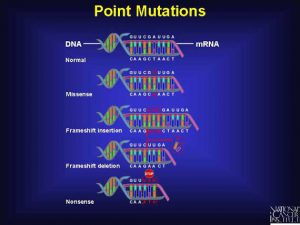
Recently, researchers from Germany wondered if this same type of optimization applies to frameshift mutations. Biochemists have discovered that these mutations are much more devastating than substitution mutations. Frameshift mutations result when nucleotides are inserted into or deleted from the DNA sequence of the gene. If the number of inserted/deleted nucleotides is not divisible by three, the added or deleted nucleotides cause a shift in the gene’s reading frame—altering the codon groupings. Frameshift mutations change all the original codons to new codons at the site of the insertion/deletion and onward to the end of the gene.

blog__inline--the-optimal-design-of-the-genetic-code-4

Figure 4: Types of Mutations. Image credit: Shutterstock

The Genetic Code Is Optimized to Withstand Frameshift Mutations

Like the researchers from the University of Bath, the German team generated 1 million random genetic codes with the same type and degree of redundancy as the genetic code found in nature. They discovered that the code found in nature is better optimized to withstand errors that result from frameshift mutations (involving either the insertion or deletion of 1 or 2 nucleotides) than most of the random genetic codes they tested.

The Genetic Code Is Optimized to Harbor Multiple Overlapping Codes

The optimization doesn’t end there. In addition to the genetic code, genes harbor other overlapping codes that independently direct the binding of histone proteins and transcription factors to DNA and dictate processes like messenger RNA folding and splicing. In 2007, researchers from Israel discovered that the genetic code is also optimized to harbor overlapping codes.4

The Genetic Code and the Case for a Creator

In The Cell’s Design, I point out that common experience teaches us that codes come from minds. By analogy, the mere existence of the genetic code suggests that biochemical systems come from a Mind. This conclusion gains considerable support based on the exquisite optimization of the genetic code to withstand errors that arise from both substitution and frameshift mutations, along with its optimal capacity to harbor multiple overlapping codes.

The triple optimization of the genetic code arises from its redundancy and the specific codon assignments. Over 1018 possible genetic codes exist and any one of them could have been “selected” for the code in nature. Yet, the “chosen” code displays extreme optimization—a hallmark feature of designed systems. As the evidence continues to mount, it becomes more and more evident that the genetic code displays an eerie perfection.5

An elegant contrivance such as the genetic code—which resides at the heart of biochemical systems and defines the information content in the cell—is truly one in a million when it comes to reasons to believe.

Resources

Endnotes
  1. Regine Geyer and Amir Madany Mamlouk, “On the Efficiency of the Genetic Code after Frameshift Mutations,” PeerJ 6 (2018): e4825, doi:10.7717/peerj.4825.
  2. David Haig and Laurence D. Hurst, “A Quantitative Measure of Error Minimization in the Genetic Code,” Journal of Molecular Evolution33 (1991): 412–17, doi:1007/BF02103132.
  3. Gretchen Vogel, “Tracking the History of the Genetic Code,” Science281 (1998): 329–31, doi:1126/science.281.5375.329; Stephen J. Freeland and Laurence D. Hurst, “The Genetic Code Is One in a Million,” Journal of Molecular Evolution 47 (1998): 238–48, doi:10.1007/PL00006381.; Stephen J. Freeland et al., “Early Fixation of an Optimal Genetic Code,” Molecular Biology and Evolution 17 (2000): 511–18, doi:10.1093/oxfordjournals.molbev.a026331.
  4. Shalev Itzkovitz and Uri Alon, “The Genetic Code Is Nearly Optimal for Allowing Additional Information within Protein-Coding Sequences,” Genome Research(2007): advanced online, doi:10.1101/gr.5987307.
  5. In The Cell’s Design, I explain why the genetic code cannot emerge through evolutionary processes, reinforcing the conclusion that the cell’s information systems—and hence, life—must stem from the handiwork of a Creator.

About Reasons to Believe

RTB’s mission is to spread the Christian Gospel by demonstrating that sound reason and scientific research—including the very latest discoveries—consistently support, rather than erode, confidence in the truth of the Bible and faith in the personal, transcendent God revealed in both Scripture and nature. Learn More »

Support Reasons to Believe

Your support helps more people find Christ through sharing how the latest scientific discoveries affirm our faith in the God of the Bible.

DONATE NOW


U.S. Mailing Address
818 S. Oak Park Rd.
Covina, CA 91724
  • P (855) 732-7667
  • P (626) 335-1480
  • Fax (626) 852-0178

Reasons to Believe logo

Posted in Uncategorized | Leave a comment

Power Brokers Of The Information Age

By Will Myers

True power is not weaponry but is how one or a small group can control the minds of the majority of the population. The monitoring and distributing of sensitive, intimate information targeting the majority is essential; especially, a few central private citizens who are targeted indept with anticipating the power of their behavior or activities even unto their thought processes. These few are the “Job’s” as in the biblical book of Job. The Jobs encounters SIG’s mind games. Most of these few do not experience life in a free democracy with rights based on the U.S. Constitution; but instead, the mind games take them through all of the types of government; socialism, communism, and even dictatorship plus more. I have determined that the goal for All is the government of hyper-communism whereas the government owns the minds of the citizens ideally or practically intimidates and coerces the majority of private citizens. This is the true power.

Ephesians 6:12; “12 For our struggle is not against flesh and blood, but against the rulers, against the authorities, against the powers of this dark world and against the spiritual forces of evil in the heavenly realms.”

The Lord said to Satan, “Where have you come from?” Satan answered the Lord, “From
roaming throughout the earth, going back and forth on it.”

Job 2:7; “So Satan went out from the presence of the Lord and afflicted Job with                                    painful  sores from the soles of his feet to  the crown of his head.”

The information age began in the early 50’s with the Institution Of Science And Warfare College (?) becoming a top secret project and the advent of the electronic computer. The institute was charged with creating dossiers on each person on the face of the planet. With passing time, the government had the usual problem of having leaks; so, the government delegated the project to what is now called think tanks. But, the special interest groups (SIG) that collected info on private citizens hid within the other think tanks such as the ones being experts in the middle east or Russia or any other foreign subjects. Make no bones about it, the purpose of the think tanks that was creating dossiers on each private citizen is to control the population firstly; further, control the mind of individuals if necessary to preserve the union or what is in the best interest of America.

The goal of the snake organization who monitor private citizens (SIG) is to control or have influence in the inner sanctuary of the mind of each private citizen. This orchestration…Mental anguish and hopelessness.. causing extreme adversities…isolating individual…castrating indiv…anticipating the individual’s thoughts and activities.


The American Oligarchy who owns and controls America are the ones who are in the best interest of America. The oligarchy finances the operations of SIG who furnishes info on selected individuals with the goal being All of the working class. This is power; especially, when psychic profiles are attached. Special Interest Groups (SIG) has now expanded to monitoring an individual during their daily interactions without regard to where they might be.  There is much power when an individual is constantly monitored while distributing info directly involving and anticipating the targeted individual’s actions and thoughts.

We now are exposed to GPS cell phone towers monitoring, government listening to our electronic conversations, the new presidential alerts, and satellite monitoring. We have more to come as SIG comes into full fruition with the government of hyper-communism being established. This is the Trump-Putin unity.

Posted in Uncategorized | Leave a comment

Mastering Eddington’s Confirmation of General Relativity

BY JEFF ZWEERINK – AUGUST 31, 2018

Many people who witnessed the great eclipse of 2017 will remember it as a wondrous spectacle. But one amateur astronomer saw the event as an opportunity to reproduce measurements of the celebrated general theory of relativity, which provides the basis for understanding cosmological models of our expanding universe.

In 1915, Albert Einstein first presented his new model for describing gravity to the Prussian Academy of Sciences. Motivated by the notion that the laws of physics should not depend on location in or motion through the universe, Einstein had developed what we now call the general theory of relativity (GR). When first published, GR did not make much of a splash. Even after three or four years, Einstein lived in relative obscurity until a key measurement in 1919 brought him scientific fame.

blog__inline--mastering-eddingtons-confirmation
Eclipse Predictions: Fred Espenak, NASA’s GSFC

A solar eclipse that traversed the Atlantic Ocean from South America to Africa propelled Einstein’s theory to prominence. According to GR, the gravitational well of the Sun should deflect light from distant stars by a predictable amount—an amount twice as large as predicted by Newtonian gravity. Like any solar eclipse, weather can unravel the best-laid plans. So astronomer Sir Arthur Eddington planned for two groups to make the critical measurements. Eddington and astronomer Sir Frank Watson Dyson traveled to Sobral, Brazil, while sending fellow astronomers Andrew Claude de la Cherois Crommelin and Charles Davidson to Príncipe Island off the west coast of Africa. Both groups found clear enough skies to observe stars during the eclipse. Eddington used the observations from Príncipe Island to compare star locations during the eclipse and six months earlier (when the same stars are in the sky at night). Eddington published a paper in 1920 declaring that “results of the observations here described appear to point quite definitely to . . . and confirm Einstein’s generalised relativity theory.”1

This first test of GR brought international recognition to Einstein and started a long chain of experiments that establish GR as arguably the most accurate description of the universe known. However, some people have questioned whether Eddington’s result actually supported GR or whether he may have shown some bias.2 History shows that GR is correct and that subsequent reanalysis of Eddington’s data validates his conclusions. Yet, scientists continually seek to improve upon results.

Donald Bruns, an amateur astronomer from San Diego, used a $4,000 telescope and a $5,000 camera to execute a plan he had perfected over two years. He took his setup to Casper, Wyoming, to photograph the 2017 eclipse and measure the deflection of stars as originally done by Eddington. Analyzing the data from his observations, he measured a deflection coefficient of 1.7512 arcsec.3 This value agrees with the predictions of GR within 3%, a marked improvement over previous optical attempts that had only achieved 10% accuracy. According to Physics Today, Brun’s work is “the most accurate and precise ground-based optical version of the Eddington experiment.”

Although Bruns’s research doesn’t fall into the class of “breakthrough,” it does represent scientists’ ongoing pursuit to understand the intimate and minute detailed workings of the cosmos. It also shows that relatively inexpensive projects can contribute significant results. But most importantly, it highlights the incredible curiosity and creativeness that drives humans—bearers of God’s image—to know the truth!

Endnotes
  1. Sir F. W. Dyson, A. S. Eddington, C. Davidson, “IX. A Determination of the Deflection of Light by the Sun’s Gravitational Field, from Observations Made at the Total Eclipse of May 29, 1919,” Philosophical Transactions of the Royal Society A 220 (January 1, 1920): 291–333, doi:10.1098/rsta.1920.0009.
  2. Daniel Kennefick, “Testing Relativity from the 1919 Eclipse—A Question of Bias,” Physics Today 62 (March 1, 2009): 37–42, doi:10.1063/1.3099578.
  3. Donald G. Bruns, “Gravitational Starlight Deflection Measurements During the 21 August 2017 Total Solar Eclipse,” Classical and Quantum Gravity 35 (April 12, 2018): 075009, doi:10.1088/1361-6382/aaaf2a.

About Reasons to Believe

RTB’s mission is to spread the Christian Gospel by demonstrating that sound reason and scientific research—including the very latest discoveries—consistently support, rather than erode, confidence in the truth of the Bible and faith in the personal, transcendent God revealed in both Scripture and nature. Learn More »

Support Reasons to Believe

Your support helps more people find Christ through sharing how the latest scientific discoveries affirm our faith in the God of the Bible.

DONATE NOW


U.S. Mailing Address
818 S. Oak Park Rd.
Covina, CA 91724
  • P (855) 732-7667
  • P (626) 335-1480
  • Fax (626) 852-0178

Reasons to Believe logo

Posted in Uncategorized | Leave a comment

TAKING SCIENCE ON FAITH

By Paul Davies [12.31.06]

Clearly, then, both religion and science are founded on faith — namely, on belief in the existence of something outside the universe, like an unexplained God or an unexplained set of physical laws, maybe even a huge ensemble of unseen universes, too. For that reason, both monotheistic religion and orthodox science fail to provide a complete account of physical existence.


PAUL C. DAVIES is the director of Beyond, a research center at Arizona State University, and the author of “Cosmic Jackpot: Why Our Universe Is Just Right for Life.”

Paul Davies’s Edge Bio Page

THE REALITY CLUB: Jerry Coyne, Nathan Myhrvold, Lawrence Krauss, Scott Atran, Sean Carroll, Jeremy Bernstein, PZ Myers, Lee Smolin, John Horgan, Alan Sokal


TAKING SCIENCE ON FAITH

SCIENCE, we are repeatedly told, is the most reliable form of knowledge about the world because it is based on testable hypotheses. Religion, by contrast, is based on faith. The term “doubting Thomas” well illustrates the difference. In science, a healthy skepticism is a professional necessity, whereas in religion, having belief without evidence is regarded as a virtue.

The problem with this neat separation into “non-overlapping magisteria,” as Stephen Jay Gould described science and religion, is that science has its own faith-based belief system. All science proceeds on the assumption that nature is ordered in a rational and intelligible way. You couldn’t be a scientist if you thought the universe was a meaningless jumble of odds and ends haphazardly juxtaposed. When physicists probe to a deeper level of subatomic structure, or astronomers extend the reach of their instruments, they expect to encounter additional elegant mathematical order. And so far this faith has been justified.

The most refined expression of the rational intelligibility of the cosmos is found in the laws of physics, the fundamental rules on which nature runs. The laws of gravitation and electromagnetism, the laws that regulate the world within the atom, the laws of motion — all are expressed as tidy mathematical relationships. But where do these laws come from? And why do they have the form that they do?

When I was a student, the laws of physics were regarded as completely off limits. The job of the scientist, we were told, is to discover the laws and apply them, not inquire into their provenance. The laws were treated as “given” — imprinted on the universe like a maker’s mark at the moment of cosmic birth — and fixed forevermore. Therefore, to be a scientist, you had to have faith that the universe is governed by dependable, immutable, absolute, universal, mathematical laws of an unspecified origin. You’ve got to believe that these laws won’t fail, that we won’t wake up tomorrow to find heat flowing from cold to hot, or the speed of light changing by the hour.

Over the years I have often asked my physicist colleagues why the laws of physics are what they are. The answers vary from “that’s not a scientific question” to “nobody knows.” The favorite reply is, “There is no reason they are what they are — they just are.” The idea that the laws exist reasonlessly is deeply anti-rational. After all, the very essence of a scientific explanation of some phenomenon is that the world is ordered logically and that there are reasons things are as they are. If one traces these reasons all the way down to the bedrock of reality — the laws of physics — only to find that reason then deserts us, it makes a mockery of science.

Can the mighty edifice of physical order we perceive in the world about us ultimately be rooted in reasonless absurdity? If so, then nature is a fiendishly clever bit of trickery: meaninglessness and absurdity somehow masquerading as ingenious order and rationality.

Although scientists have long had an inclination to shrug aside such questions concerning the source of the laws of physics, the mood has now shifted considerably. Part of the reason is the growing acceptance that the emergence of life in the universe, and hence the existence of observers like ourselves, depends rather sensitively on the form of the laws. If the laws of physics were just any old ragbag of rules, life would almost certainly not exist.

A second reason that the laws of physics have now been brought within the scope of scientific inquiry is the realization that what we long regarded as absolute and universal laws might not be truly fundamental at all, but more like local bylaws. They could vary from place to place on a mega-cosmic scale. A God’s-eye view might reveal a vast patchwork quilt of universes, each with its own distinctive set of bylaws. In this “multiverse,” life will arise only in those patches with bio-friendly bylaws, so it is no surprise that we find ourselves in a Goldilocks universe — one that is just right for life. We have selected it by our very existence.

The multiverse theory is increasingly popular, but it doesn’t so much explain the laws of physics as dodge the whole issue. There has to be a physical mechanism to make all those universes and bestow bylaws on them. This process will require its own laws, or meta-laws. Where do they come from? The problem has simply been shifted up a level from the laws of the universe to the meta-laws of the multiverse.

Clearly, then, both religion and science are founded on faith — namely, on belief in the existence of something outside the universe, like an unexplained God or an unexplained set of physical laws, maybe even a huge ensemble of unseen universes, too. For that reason, both monotheistic religion and orthodox science fail to provide a complete account of physical existence.

This shared failing is no surprise, because the very notion of physical law is a theological one in the first place, a fact that makes many scientists squirm. Isaac Newton first got the idea of absolute, universal, perfect, immutable laws from the Christian doctrine that God created the world and ordered it in a rational way. Christians envisage God as upholding the natural order from beyond the universe, while physicists think of their laws as inhabiting an abstract transcendent realm of perfect mathematical relationships.

And just as Christians claim that the world depends utterly on God for its existence, while the converse is not the case, so physicists declare a similar asymmetry: the universe is governed by eternal laws (or meta-laws), but the laws are completely impervious to what happens in the universe.

It seems to me there is no hope of ever explaining why the physical universe is as it is so long as we are fixated on immutable laws or meta-laws that exist reasonlessly or are imposed by divine providence. The alternative is to regard the laws of physics and the universe they govern as part and parcel of a unitary system, and to be incorporated together within a common explanatory scheme.

In other words, the laws should have an explanation from within the universe and not involve appealing to an external agency. The specifics of that explanation are a matter for future research. But until science comes up with a testable theory of the laws of the universe, its claim to be free of faith is manifestly bogus.
[First published as an OpEd piece by The New York Times, November 24, 2007]

Posted in Uncategorized | 1 Comment

How to Discern Education vs. Propaganda

By Kenneth R. Samples – September 4, 2018

There is a lot of discussion these days about things like fake news, yellow journalism, and political propaganda. There is also a lot of attention given to whether public schools and colleges in our time educate or indoctrinate when it comes to the instruction of their students. So what’s the difference between education and propaganda? Let’s look at seven ways education differs from propaganda.

First, we’ll define three key terms:

Education is the pursuit and discovery of information, knowledge, truth, and wisdom through critical analysis. That process of discovery can be unaided (self-study) or aided (teachers). The goal of education is for the student to develop the ability to form an independent, reasonable judgment of the topics studied.

Indoctrination can mean mere instruction in a given topic, but it often carries the pejorative meaning of inculcating ideas in an uncritical manner. This approach to teaching can be well-intentioned but, from an educational standpoint, it is ultimately not in the best interest of the student because it lacks the necessary critical analysis. Indoctrination stands closer to propaganda than to education.

Propaganda involves the dissemination of information—including biased and misleading information—to get someone to accept a particular agenda, often of a political nature. Propaganda is worse than well-intended indoctrination because it intentionally seeks to manipulate a person into accepting a specific viewpoint or ideology.

7 Ways Education (Analytical Discovery) Differs from Propaganda (Manipulative Persuasion)

A good education strives to incorporate the following seven ideals, practices, and virtues, whereas propaganda denies, ignores, or limits them:

1. Education Emphasizes How to Think Instead of What to Think

Genuine learning requires developing critical thinking skills that can aid the student in analysis and evaluation in order to form a reasonable judgment on a given topic. A good education prepares students to develop the necessary skills to learn to think for themselves. Propaganda tells a person exactly what to think.

2. Education Pursues Objectivity Instead of Subjectivity

A solid approach to learning acknowledges the challenge of human bias and prejudice and seeks to promote a reasonable open-mindedness, an evenhandedness, and a basic fairness when considering issues. Education usually serves to broaden one’s perspective. Propaganda is agenda driven and focuses upon the subjective goal of persuasion and tends to significantly narrow one’s perspective.

3. Education Introduces Controversies (Disagreements) Instead of Shielding Them

Discovering genuine knowledge and truth about life and the world is seldom without controversy and disagreement among people. A good learning environment exposes students to the general and important differences concerning topics and perspectives. Propaganda selectively shields people from controversies.

4. Education Examines Both Sides Instead of Just One Side

When topics are divided between viable positions, a good model of education exposes students to a fair-minded discussion of both sides of a controversial issue. Again, propaganda tends to be manipulatively one-sided in perspective.

5. Education Reviews Strengths and Weaknesses (Pros and Cons) Instead of Just One or the Other

Proposed solutions to problems can be controversial and usually involve potential strengths and weaknesses. A fair-minded approach to learning gets into the practice of examining both the pros and cons of a position. Genuine learning involves knowing both strengths and weaknesses of a viewpoint. Propaganda, on the other hand, is all about persuasion thus the focus is exclusively on either the strengths or the weaknesses.

6. Education Promotes Honest Intellectual Inquiry Instead of Deception

A proper education stresses the critical importance of the virtue of honesty at every stage of the learning process. Ideas are prized and therefore treated with integrity. Manipulation and deception, hallmarks of propaganda, are never acceptable.

7. Education Encourages Dialogue Instead of Monologue

Learning is enhanced by respectful dialogue, discussion, and interaction. Learning under multiple voices is often superior to learning under one voice, as in propaganda.

A good education (unaided or aided) can provide the critical tools to help students gain knowledge, truth, and wisdom. A noble learning experience illumines the human condition and greatly enhances the human experience.

Reflections: Your Turn

Which of education’s seven ideals, practices, and virtues do you find the noblest? How prevalent is propaganda today? Visit Reflections on WordPress to comment with your response.

Resources


Category
  • Learning
  • Education
Tags
  • teaching
  • propaganda
  • Learning
  • Knowledge
  • indoctrination
  • Education
  • Blogs

About Reasons to Believe

RTB’s mission is to spread the Christian Gospel by demonstrating that sound reason and scientific research—including the very latest discoveries—consistently support, rather than erode, confidence in the truth of the Bible and faith in the personal, transcendent God revealed in both Scripture and nature. Learn More »

Support Reasons to Believe

Your support helps more people find Christ through sharing how the latest scientific discoveries affirm our faith in the God of the Bible.

Donate Now


U.S. Mailing Address
818 S. Oak Park Rd.
Covina, CA 91724
  • P (855) 732-7667
  • P (626) 335-1480
  • Fax (626) 852-0178

Reasons to Believe logo

→ Close Menu

Testimonials

Blogs

Multimedia

Publications

Posted in Uncategorized | Leave a comment

MAN COMING INTO BEING; STATE OF BEING

By Will Myers

Our spirit is our life. Our soul is the center of our emotions. Our emotions, of course, are based on our life support which is material. The question arises of how does or why does one have self-awareness? One answer is that our Creator didn’t intend to create more robots. Obviously, our Creator made mankind to be independent with the ability to love by self-choice. By being independent, this would mean that man would face outer darkness…nothingness…nothing; the liquidation of the man’s mind and body. So, our existence has a condition; that is to love God in return. The independence just so happens to be the choice between self-destruction or life from God. Lump it or chunk it, this is where we are in this universe; this existence. I choose life.

Our One God has given life to a man, Adam, by breathing life into the matter; later, God created a woman from the body of the man, Adam. Scientist and philosophers have been working for centuries to find a more definitive answer to the previous suppositions, and have not. Not saying that continuing investigation should not continue. I have a B.S. in physics with a departmental specialty in electrodynamics, and I am quite comfortable with life being created by a superior being. My thoughts were solidified by the factor of self-awareness. I believe that only an Eternal Being can create a being that has self-awareness.

I am sure that scientist shall manipulate the human spirits of the future through genetic applications and by foundation training (SIG social machinery) upon the arrival of the soul. Our social machinery shall develop into a state that constantly monitors an individual and distributes information directed at the targeted individual on a daily basis (Privacy being a thing of the past).  The social machinery is special interest groups (SIG) that constantly collect information and distribute information with psychic profiles about each private citizen.

The social machinery exists at present; what’s remaining is the problem of the orchestration of information directed upon an individual. This is the state of man in America and the world to come. Our social interactions shall be altered, trending toward a hierarchy based on knowledge about the targeted individual. It is a very different thing between the government having stats, and distributing general info to a group and targeting each soul; up close and personal.

If and when SIG approaches it’s ideal state what kind of government would we live in? I label it as hyper-communism where, ideally, the government owns the minds of the citizens. Of course, this shall become reality only in a practical sense. But, coercive forces, intimidation, isolation, and destruction of livelihood is possible at present.

I am going to share something very intimate for the sake of Christ: in Los Angeles, California. For over a year, the Cashiers who were total strangers (Different cashiers, different stores) stopped the line, and we all had to wait for something to be negotiated. Believe it or not, this happened every time without a break. Of course, the Cashiers’ eyes did fix on me just before stopping the line. It was obvious; I was targeted. These bizarre actions were in association with many other unusual actions. Shit! This might give one an idea how powerful this SIG snake organization is…huge Los Angeles…knowing the place and time and Cashier at the register…public scrutiny is destructive to one’s happiness and fulfillment of life. F…!!! SIG is is an enemy of the U.S. Constitution.

Of the thousands of examples that  I could give, I am going to give only one more: for decades, SIG who is the snake organization has caused a spoiler to present itself into any and all thoughts or actions that could make me happy; most being very sophisticated interference at anticipating my thoughts.

We shall soon become subjects to the government in very special ways. The government has a plan for each person. Each soul living in hyper-communism shall be aware of SIG who is definitely not God our Creator. Instead, we have SIG, the snake organization. Our existence has an enmity between God and self. We must be aware of these special interest groups that collect information and distribute it which target private citizens each soul at a time.


Posted in Uncategorized | Leave a comment